Local self-government associations traditionally take on the responsibility of representing the positions and protecting the interests of their members. These associations hold the potential to actively promote equal participation of women in decision-making and policy development at the local level.
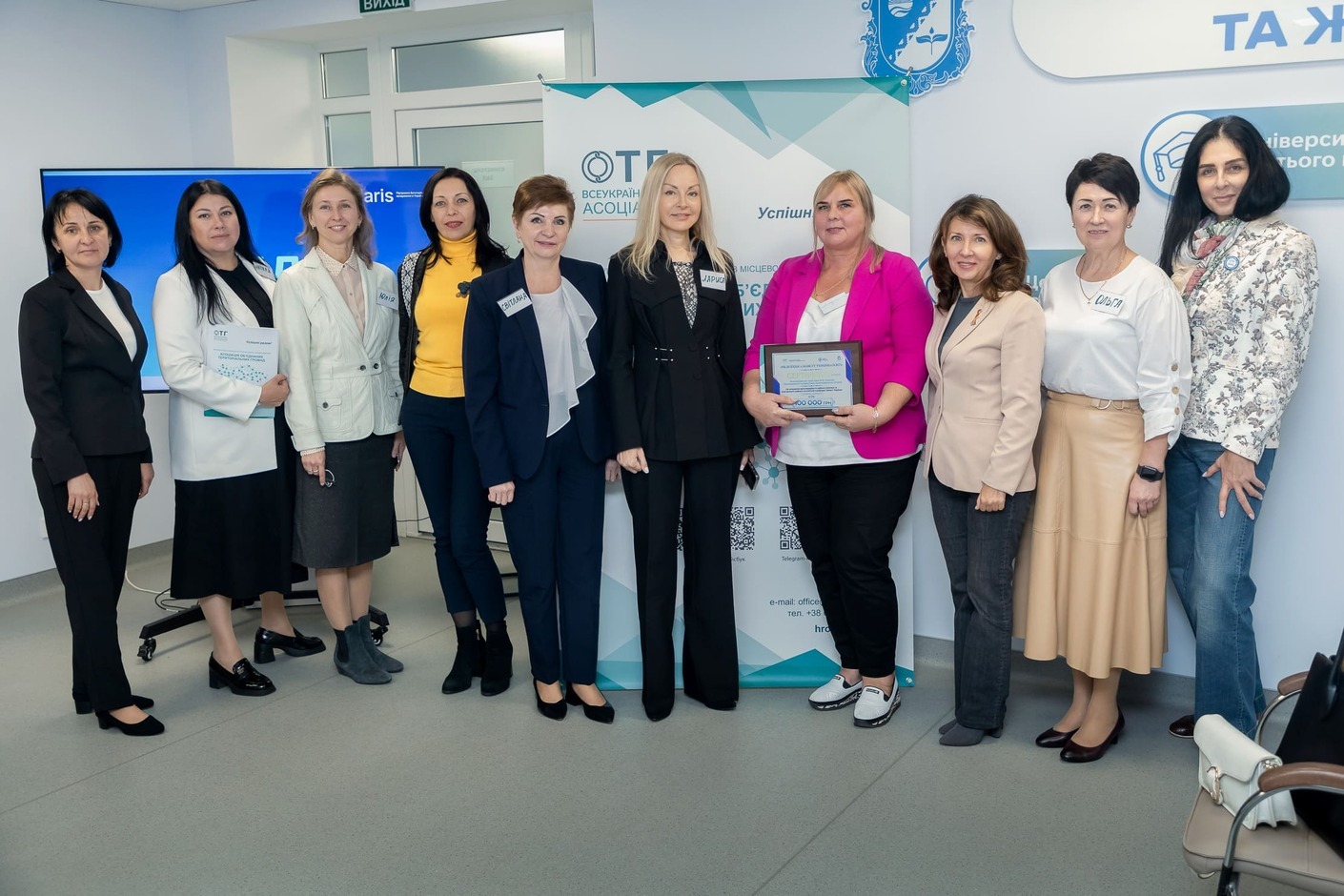
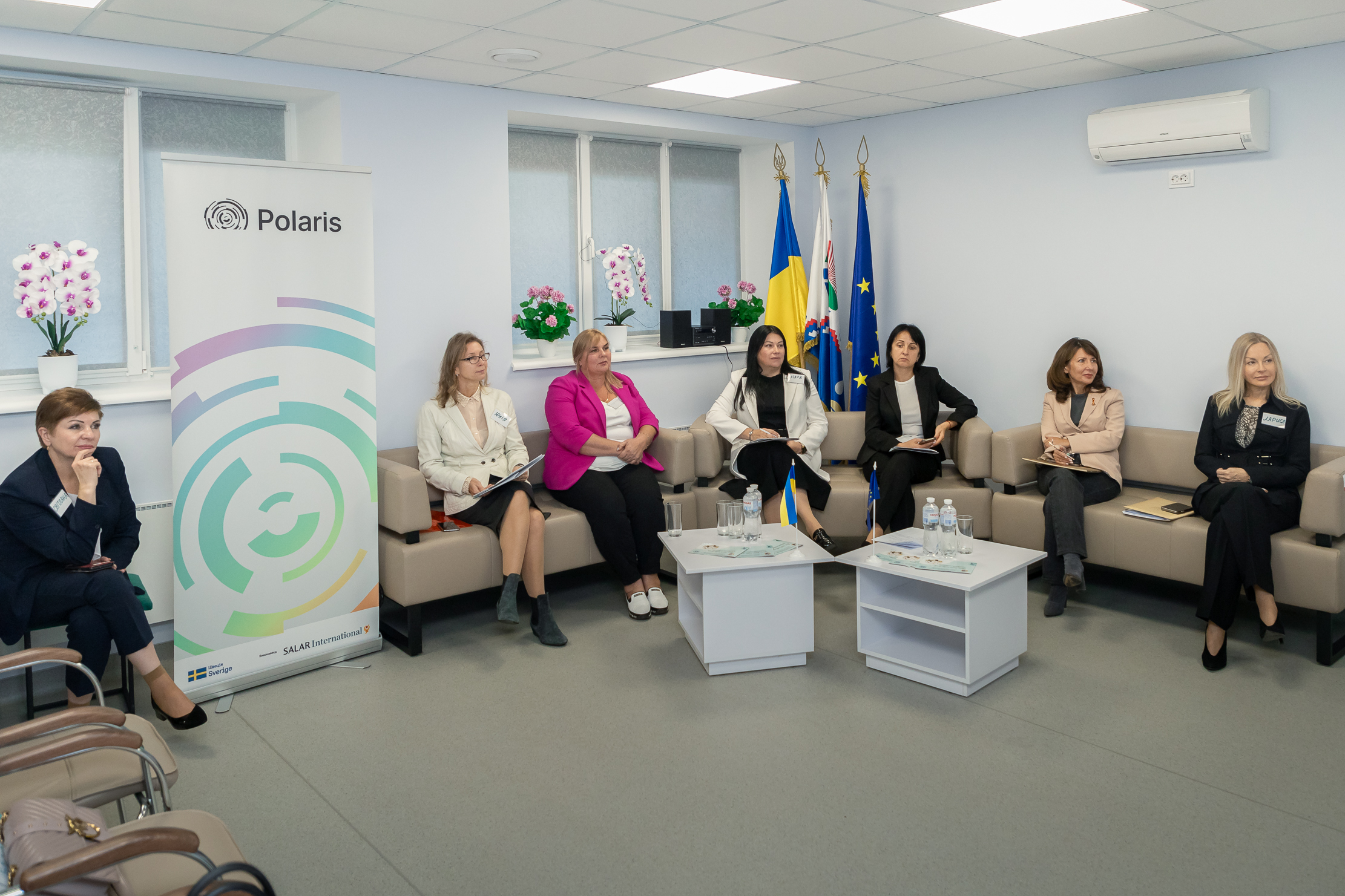
The Forum of National LSG Associations, held on October 15 in honour of the International Day of Rural Women, brought together participants to support hromadas and address the needs of various population groups. Hromada heads, women deputies, local government representatives, researchers, partners from Sweden and Poland, and gender experts gathered to discuss pressing issues and their solutions led by women leaders.
Carola Gunnarsson, Acting Chair of the Swedish Association of Local Authorities and Regions SALAR, spokesperson on international issues for the Council of European Municipalities and Regions (CEMR), and Vice President of the World Organization of Local Government, welcomed the participants and presented her vision on how advancing gender equality can enhance women’s political participation.
The Forum placed particular emphasis on advocacy and policy development, highlighting international experiences and practices in implementing gender equality. A central topic of discussion was the European Charter for Equality of Women and Men in Local Life, which serves as a tool for strengthening equal rights at the local level. The coordination of the Charter's signing process by hromadas in Ukraine is led by the Association of Ukrainian Cities (AUC).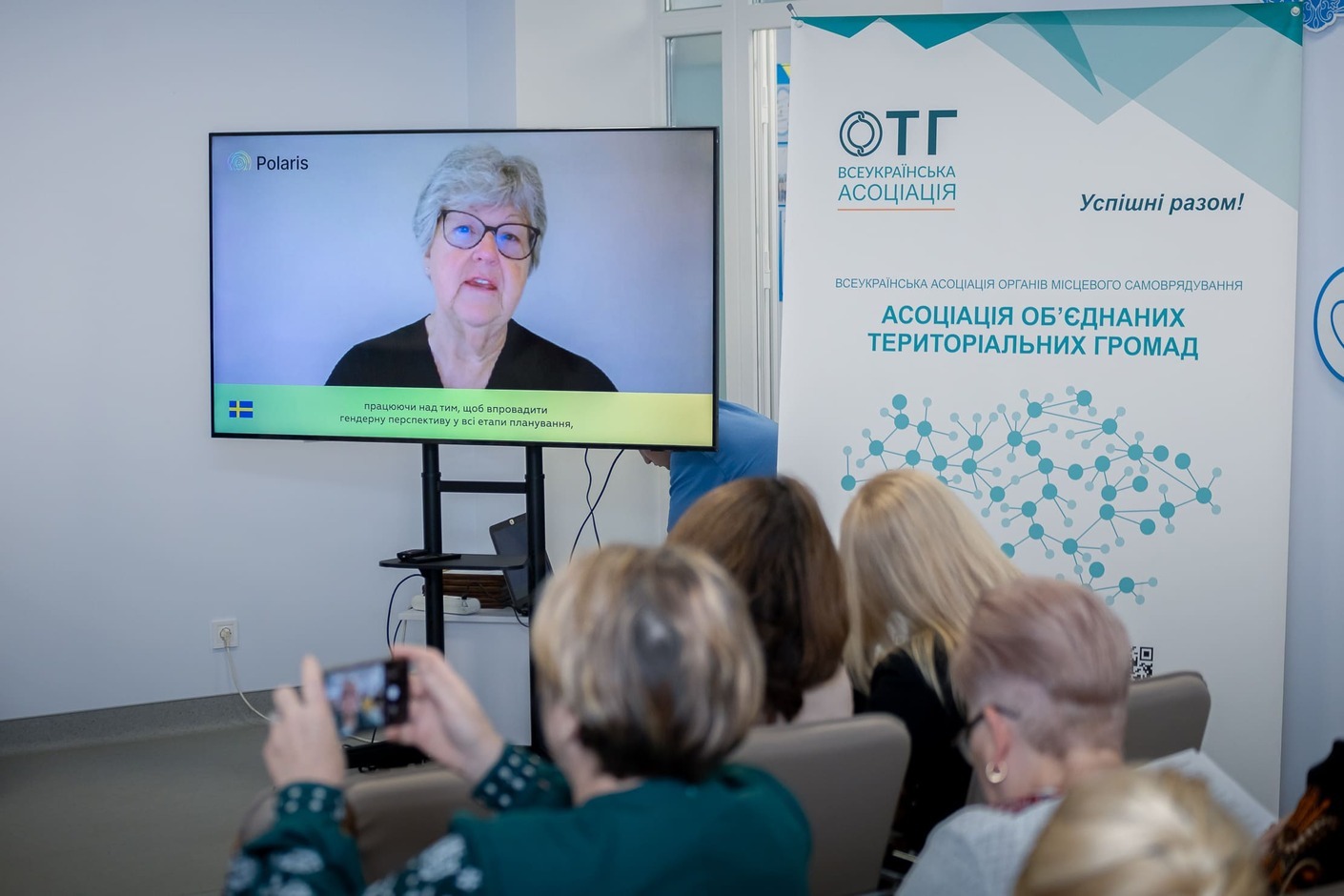
Making a formal political commitment to gender equality through such Charters is an essential first step in fulfilling the local responsibility to promote and protect human rights, including gender equality. It demonstrates the personal investment of the top leadership that must accompany the conception and delivery of initiatives to ensure that, in practice, women and men have the same rights, obligations and opportunities—starting in their own community, said Carola Gunnarsson.
Polish colleagues also share experience advocating for the signing of the European Charter for Equality of Women and Men in Local Life: Katarzyna Lubinetska-Rozhilo, councillor of the Lower Silesian Regional Council, and Joanna Stanczyk, head of the Women's Congress of Lower Silesia and the Women’s Councils of Wrocław and Lower Silesia, shared insights from Poland’s experience in advocating for the Charter’s signing.
To date, over 1,900 hromadas in 35 countries have signed the Charter, committing to implement equality principles in their operations.
Hanna Bocander, member of the Danderyd Municipal Council and former mayor of Danderyd (2019-2024), addressed the Forum, emphasising the importance of supporting women in local politics and discussing Sweden's latest trends in engaging women in local governance.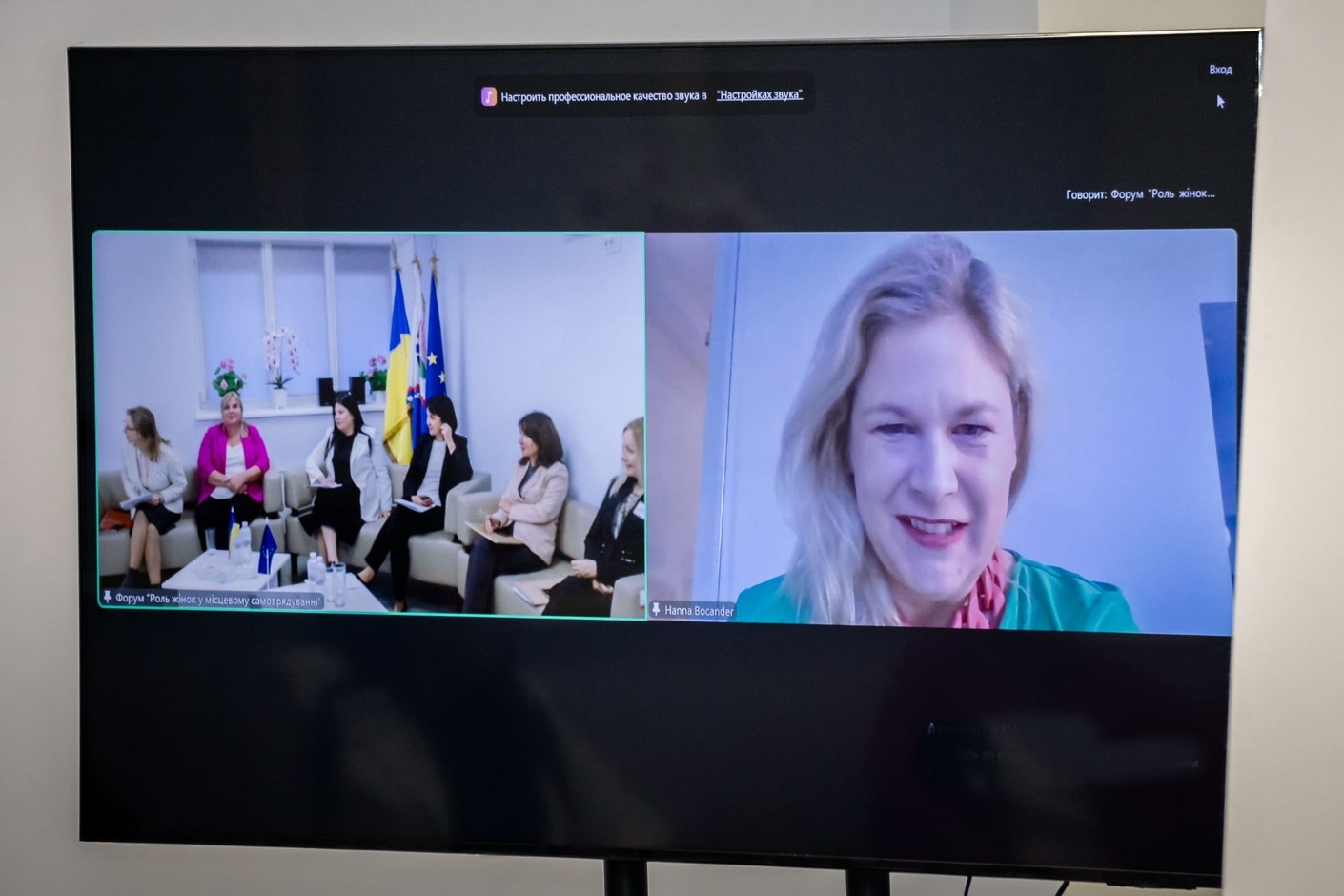
Svitlana Spazheva, Deputy Chair of the All-Ukrainian Association of Amalgamated Territorial Communities and head of the Gender Equality Platform, head of Pokrovsk hromada, underscored the Association’s commitment to gender equality principles, outlining recent efforts to strengthen the impact of its work in this area.
Forum participants also discussed ways to empower women in local self-government during martial law, with a significant focus on the need for mentorship programmes for women aspiring to leadership roles.
Olena Zhuk, Vice President of the Ukrainian Association of District and Regional Councils, identified key challenges the Association is addressing to empower women.
Nadiia Sypalo, Secretary of the Dnipropetrovsk Regional Office of the All-Ukrainian Association of Hromadas, affirmed the Association's readiness to work on women’s political leadership and to unite efforts for progress.
Olena Moloshna, Executive Director of the Dnipropetrovsk Regional Office of the Association of Ukrainian Cities (AUC), presented key procedural aspects of signing the European Charter for Equality of Women and Men in Local Life.
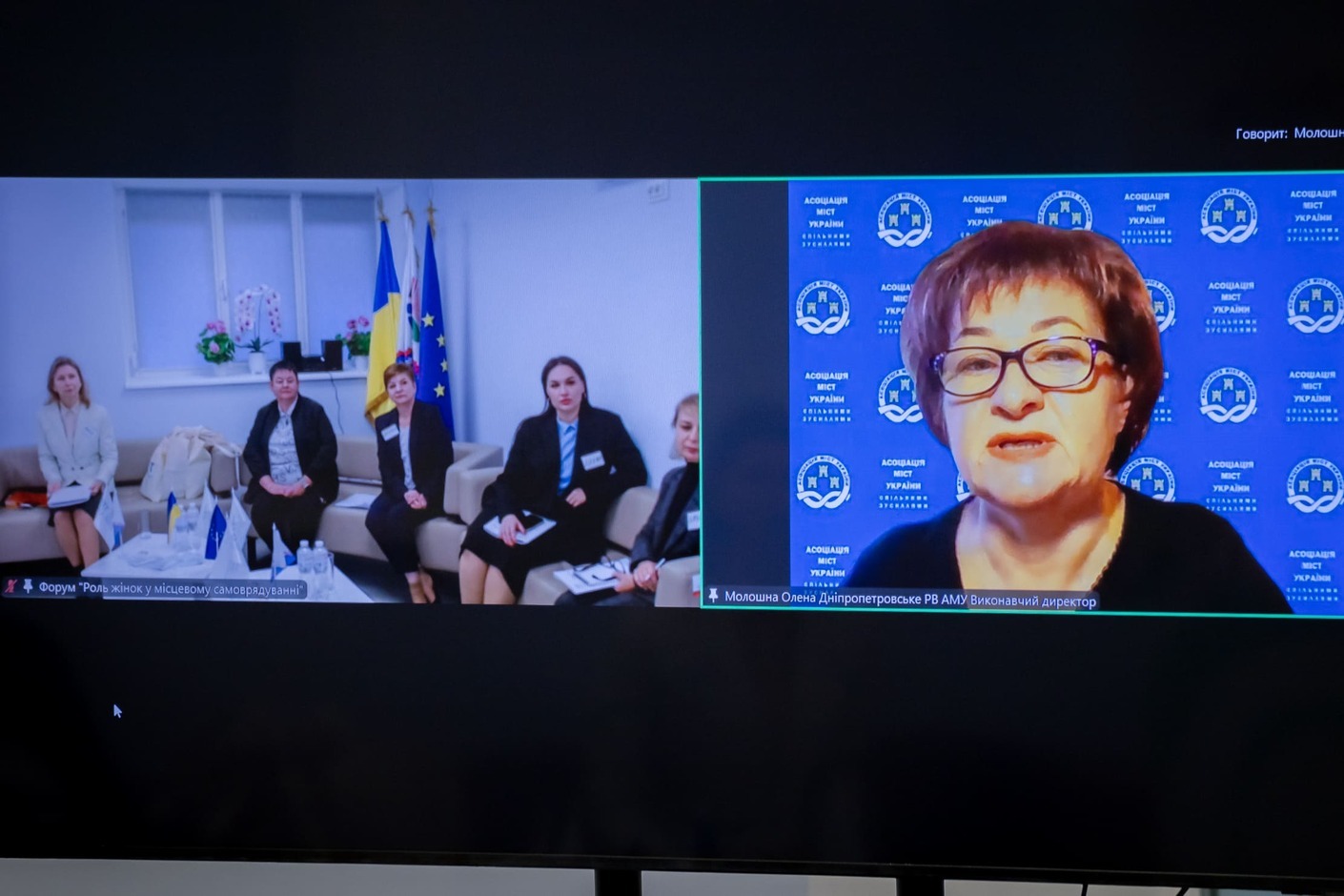
In Ukraine, 83 territorial hromadas and two regional councils have already signed the Charter.
The Forum served as a valuable opportunity to enhance collaboration among the four national associations and strengthen hromadas' capacities in gender equality and inclusion. Forty-five participants (40 women, 5 men) from 34 hromadas across five Ukrainian regions (Dnipropetrovsk, Zaporizhzhia, Luhansk, Mykolaiv, and Kharkiv) joined the event.
The Forum was coordinated by the Polaris Programme in partnership with the All-Ukrainian Association of Amalgamated Territorial Communities. Co-organisers included the National Academy of Public Administration’s State-Building and Local Self-Governance Institute. Special thanks were extended to Slobozhanska hromada for providing the event venue.