On 13 August, experts from the Polaris Programme, together with specialists from various departments of the Ministry of Education and Science of Ukraine, held a networking event “Inclusive Education in Upper Secondary School: Opportunities for Academic and Vocational Education Institutions to Ensure the Right to Education.”
The event brought together representatives of educational institutions, inclusive resource centres (IRCs), local self-government bodies, civil society organisations, and parent organisations.
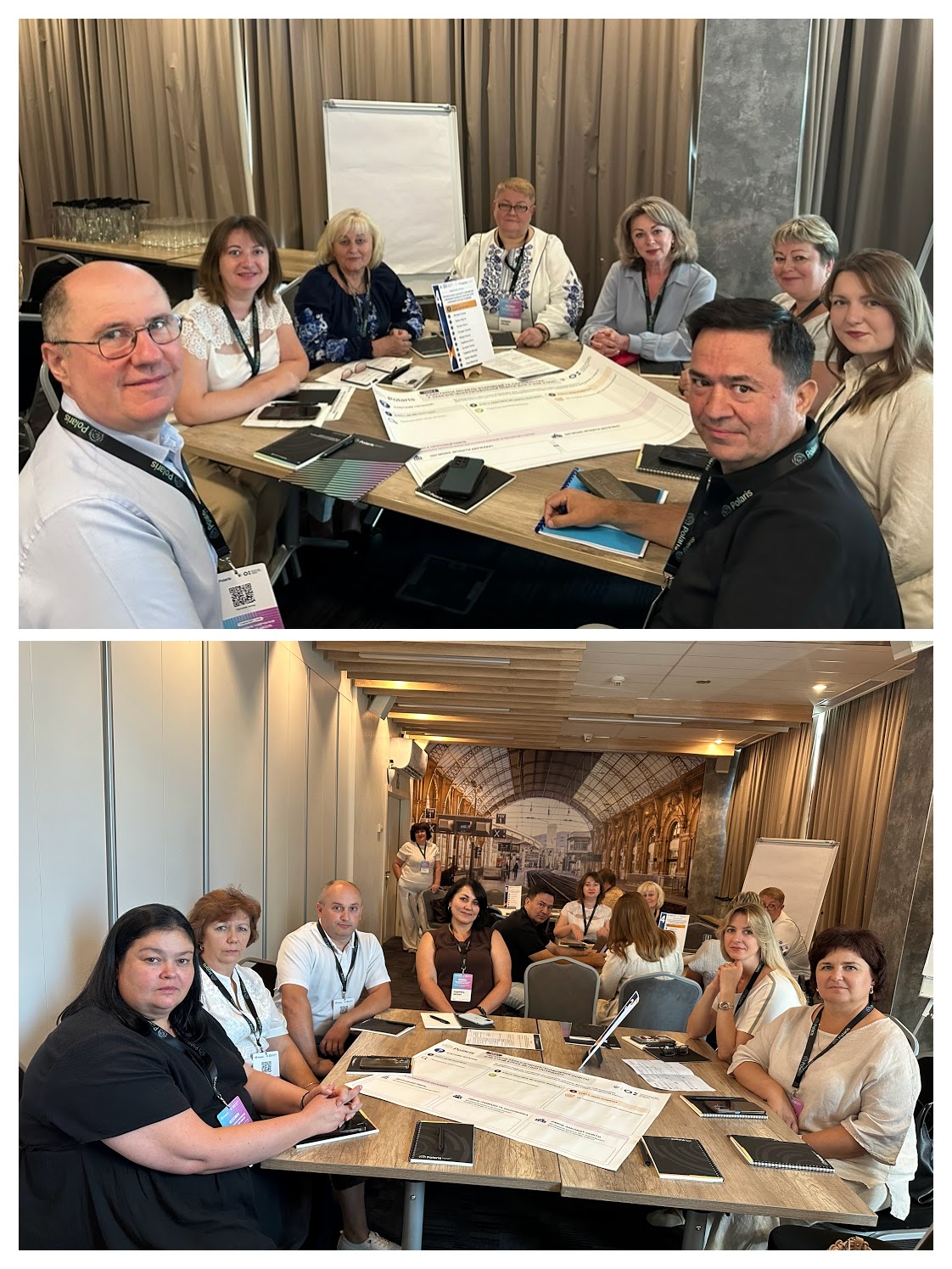 Participants identified successful practices and key challenges, outlined areas for further development, and developed specific recommendations for the national, local, and institutional levels. One of the key conclusions was that ensuring the right of students with special educational needs to access upper secondary education requires not isolated solutions, but a comprehensive system of cooperation between educational institutions, inclusive resource centres, hromadas, parents, experts, and the state.
“The child and their educational needs must remain at the centre of every decision. This is why a comprehensive, multi-component approach to inclusive education is so important. By looking at the system from different perspectives and listening to representatives from different areas, we can better identify which ‘pieces of the puzzle’ are still missing. Bringing together such a diverse group of participants allows us to take a comprehensive view of how to ensure a child’s right to education, protect their interests, and define the role of each stakeholder within this system,” said Kateryna Pavlenko, Expert on Inclusive and Special Education at the Coordination Centre for the Development of Family-Based Care and Childcare.
The main work took place in four thematic groups, all following a common methodology. Each group brought together representatives of different institutions and professional backgrounds. This format made it possible to examine inclusive upper secondary education comprehensively, from different professional and management perspectives, compare regulatory requirements with actual practice, discuss existing barriers, and jointly identify possible solutions.
- Individual educational pathways for students with special educational needs: from development to successful implementation;
- An inclusive learning environment in upper secondary schools: from accessibility to meaningful participation;
- Resources for upper secondary education for students with special educational needs;
- A cluster model of cooperation and partnership in providing upper secondary education for students with special educational needs.
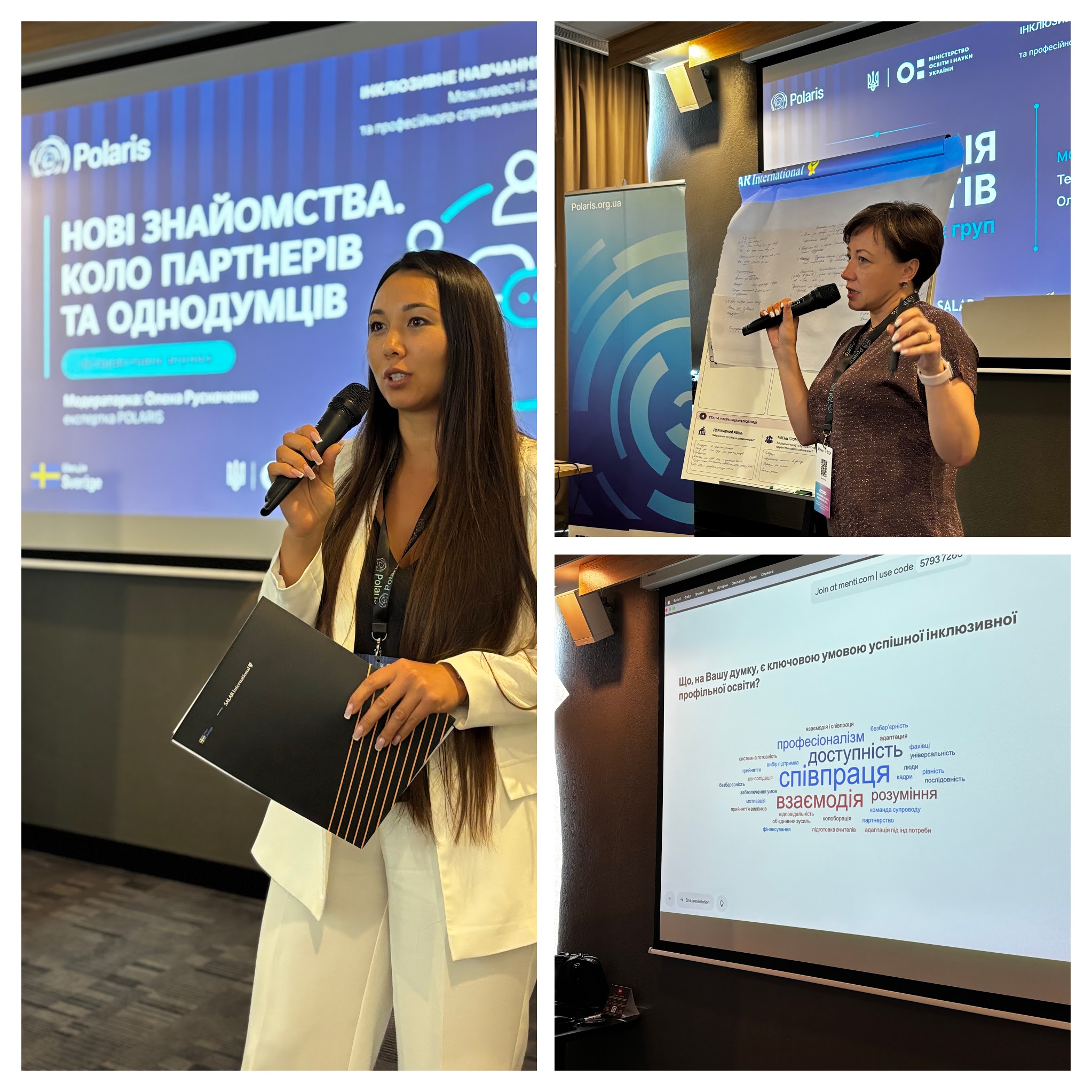 A separate expert track focused on mapping the educational pathway of students with special educational needs at the upper secondary level — from identifying their needs to developing appropriate educational options and recommendations.
“True inclusion begins where differences are recognised as a value. It is an ongoing process of creating an educational environment in which every student feels supported and safe and has the opportunity to develop in line with their needs and potential. Our task is to create conditions in which a student with special educational needs can not only access upper secondary education, but also participate fully in the learning process and pursue their own educational pathway,” emphasised Olha Rybak, Head of the Inclusive and Special Education Unit at the Directorate of Preschool and Inclusive Education of the Ministry of Education and Science of Ukraine.
The child’s educational pathway after completing basic secondary education should be planned in advance and supported throughout all stages of decision-making. The psychological and pedagogical support team, inclusive resource centres (IRCs), parents, and career counsellors all play an important role in this process. Career guidance should not be a one-off activity shortly before admission, but a continuous process that supports the student’s professional self-determination.
At the same time, participants emphasised that formal accessibility of an educational institution does not necessarily mean genuine access to education. Full participation requires trained staff, adaptation of the learning process and assessment, appropriate support, a barrier-free environment, as well as sufficient methodological and financial resources.
“For most children with special educational needs, support is not a temporary need, but something they may require throughout their lives. We cannot therefore wait for changes that may only happen in five or ten years. This is why networking events like this are so important: they give practitioners and parents an opportunity to speak openly about where the system is already working and where there is still a gap between the rights guaranteed on paper and the actual support families receive,” said Viacheslav Kozak, President of the Network of Parent Organisations and Head of the KIDDOM Academy for Child Development, Support and Social Adaptation.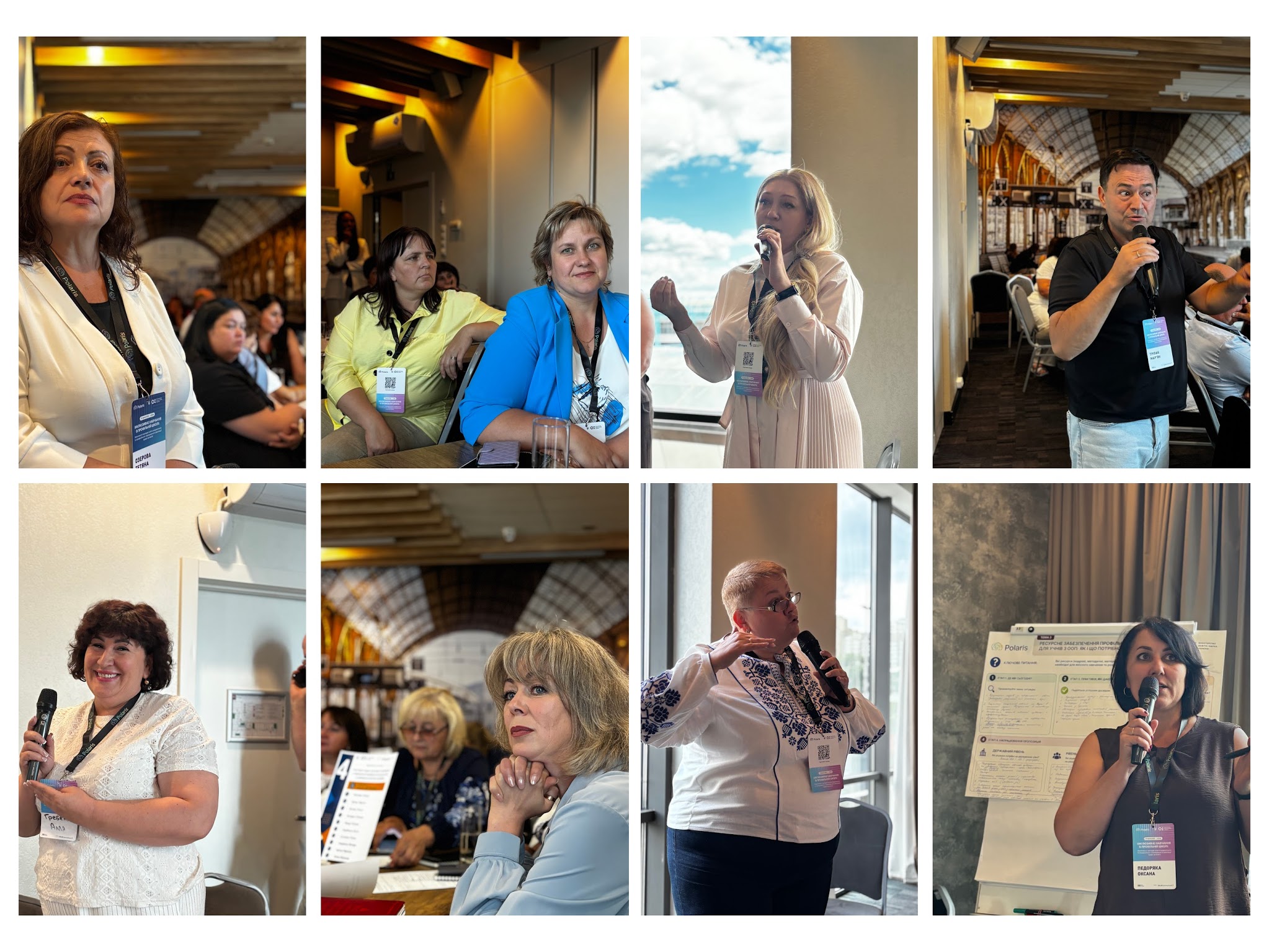
Particular attention during the networking event was given to the need for a clear model of cooperation between all institutions supporting a child during the transition from basic secondary to upper secondary education. The discussion focused, in particular, on strengthening coordination at the hromada level, defining the role of inclusive resource centres more clearly, fostering horizontal cooperation between different types of educational institutions, and ensuring continuous exchange of information and practices.
Participants also presented practices that are already working in hromadas and educational institutions so that they can be further shared and adapted in other regions.
“Today, we identified possible ways to address challenges in inclusive education and launched an important professional dialogue. The next step will be to consolidate the proposals developed during the networking event and submit them to the Ministry of Education and Science of Ukraine, as well as to explore additional formats for cooperation to help disseminate good practices,” said Oleh Fasolia, Team Leader for Education at the Local and Regional Levels at the Polaris Programme.
Participants viewed inclusive education not only at the level of an individual educational institution, but as a system that encompasses the student’s individual educational pathway, staffing and resources, cooperation between institutions, and the policy changes required at the national level.
The recommendations and key conclusions developed during the event will provide a basis for further professional dialogue on the development of inclusive education in upper secondary schools of both academic and vocational orientation.