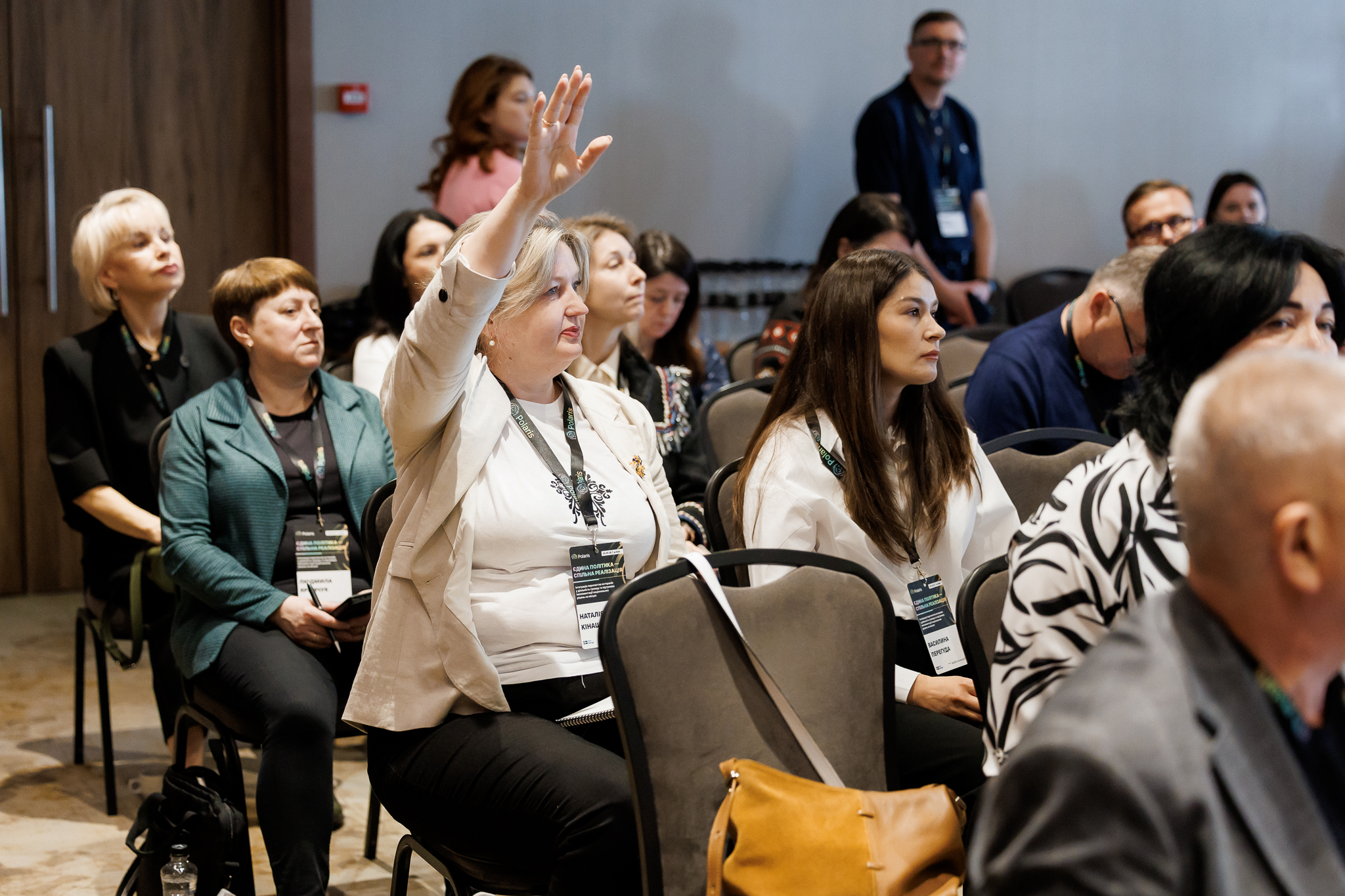
On 5 May, a final event for the first phase of the Polaris Programme was held in Kyiv, focusing on integrating veterans’ perspectives into hromadas activities ‘One Policy – Joint Implementation’.
The event was attended by representatives of the Ministry of Veterans Affairs of Ukraine, the Swedish Embassy in Ukraine, regional military administrations, local authorities – partner hromadas of the Polaris Programme, and NGOs working in the field of veteran support, including ‘Veteran Hub’, ‘ReStart Human Capital Recovery Platform’, Human Rights Center ‘Pryncyp‘ and others.
The event brought together over fifty participants working on the development of veteran services, support for veterans, and the creation of effective solutions for hromadas.
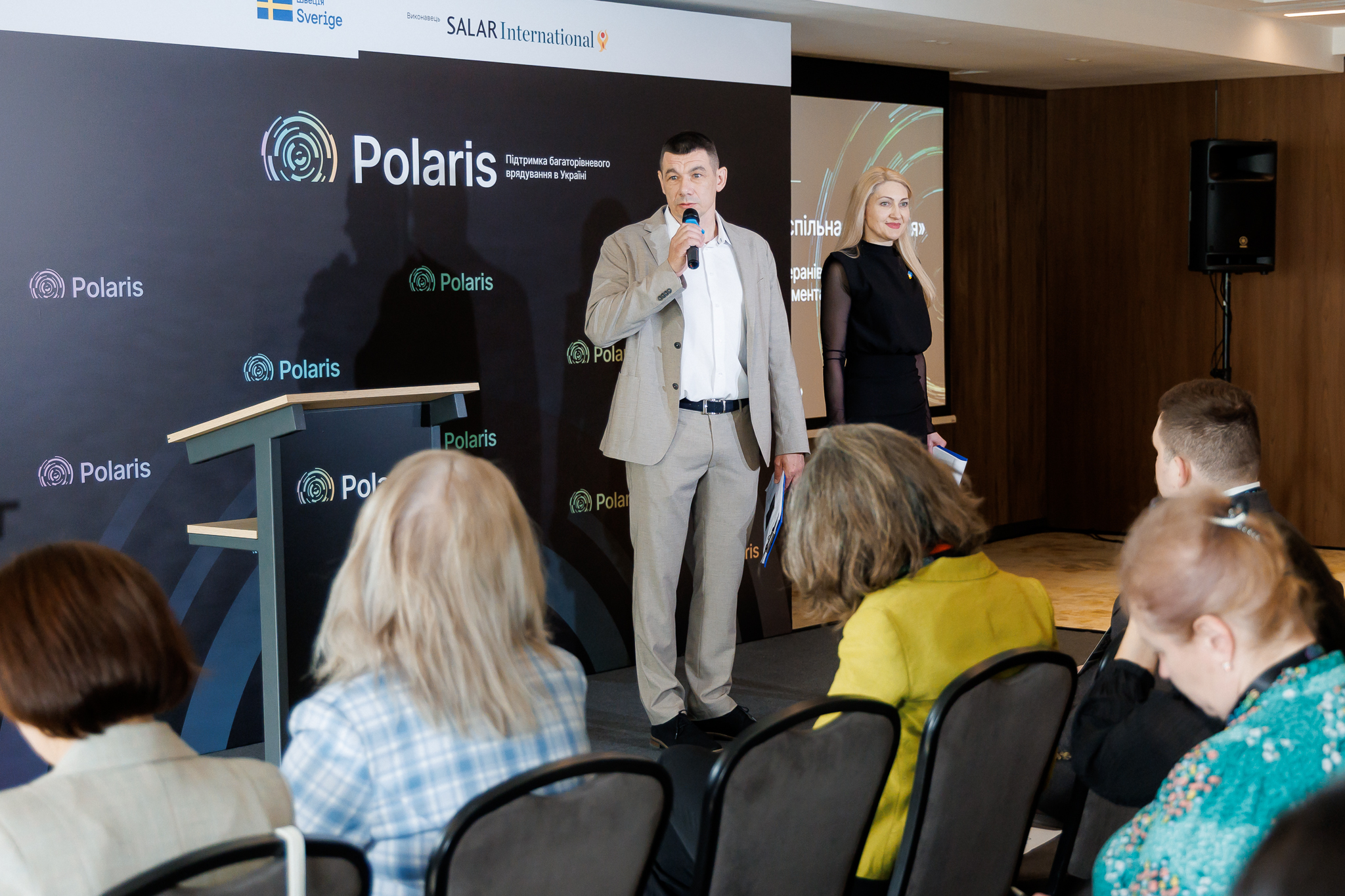
The focus was on practical approaches to establishing support systems for veterans at the local level, the results of the Polaris Programme collaboration with partner hromadas, and the development of solutions that help hromadas respond more effectively to the needs of veterans and their families.
A recurring theme in the discussions was the view that, for hromadas today, supporting veterans is not a separate area of work but rather part of daily management and service development. Among the key challenges, participants cited the creation of clear pathways for supporting veterans, the development of psychological and social adaptation services, and the involvement of veterans in hromada decision-making.
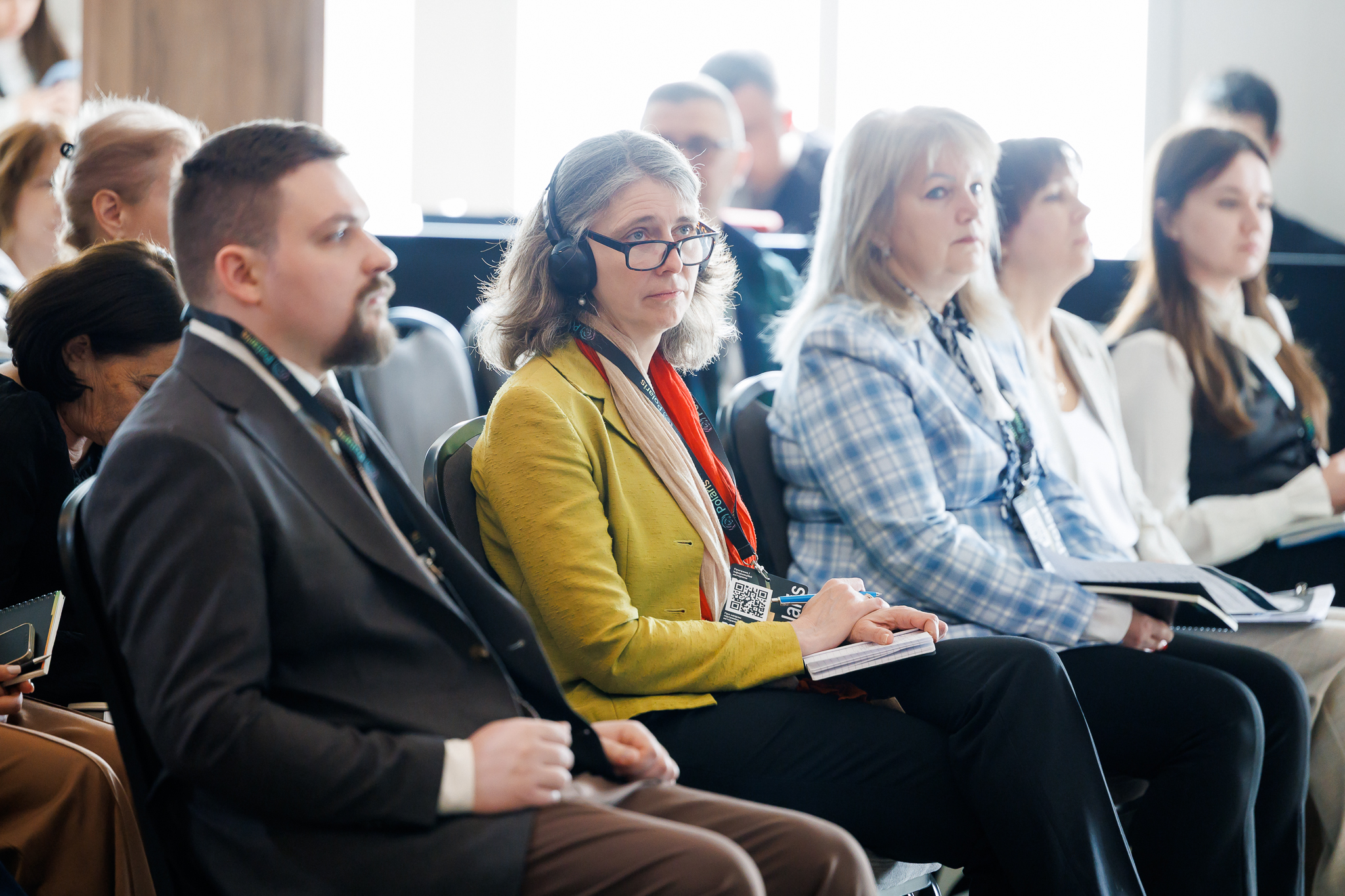
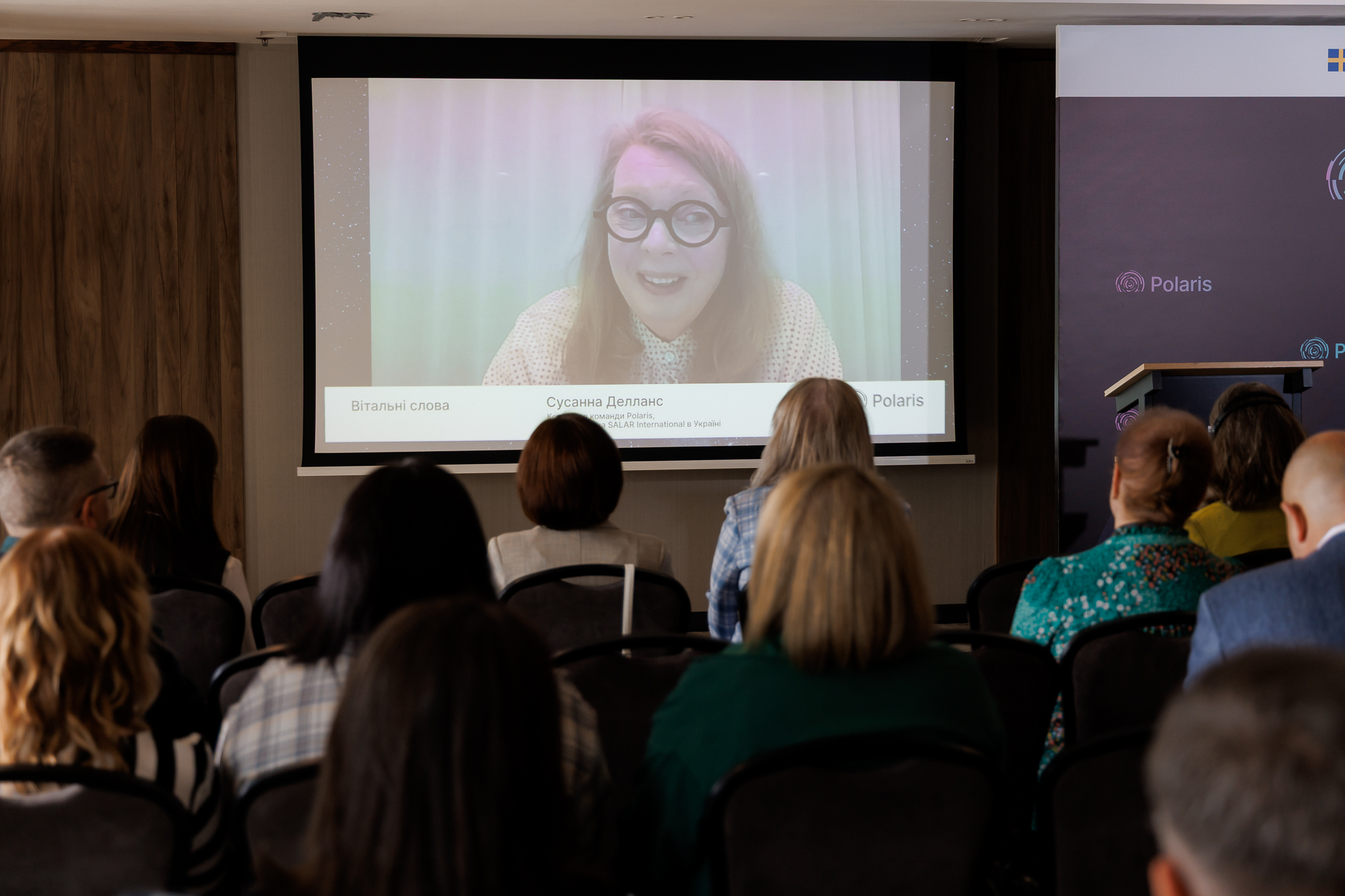
Susanna Dellance, Team Lead of the Polaris Programme, noted that supporting veterans is impossible without strong and capable hromadas, and emphasized that it is at the local level where veterans’ reintegration takes place, services are developed, and opportunities for returning to active life are created.
During the event, partner hromadas of the Polaris Programme presented their own approaches to developing support systems for veterans and shared the results of their cooperation. The discussion focused on the experiences of the Oleksandriia, Kalush, Novoukrainka, and Chervone hromadas, as well as those in the Kirovohrad region - specifically regarding the development of support services, rehabilitation, employment, and the integration of veterans into hromadas life.
Mykola Bilous, Head of the Veterans Policy Department at the Kalush City Council, noted: “For hromadas, veterans policy is no longer a separate area of work, but part of daily governance. We see a demand not only for social services, but also for employment opportunities, participation in hromadas life, and support for veterans’ families.”
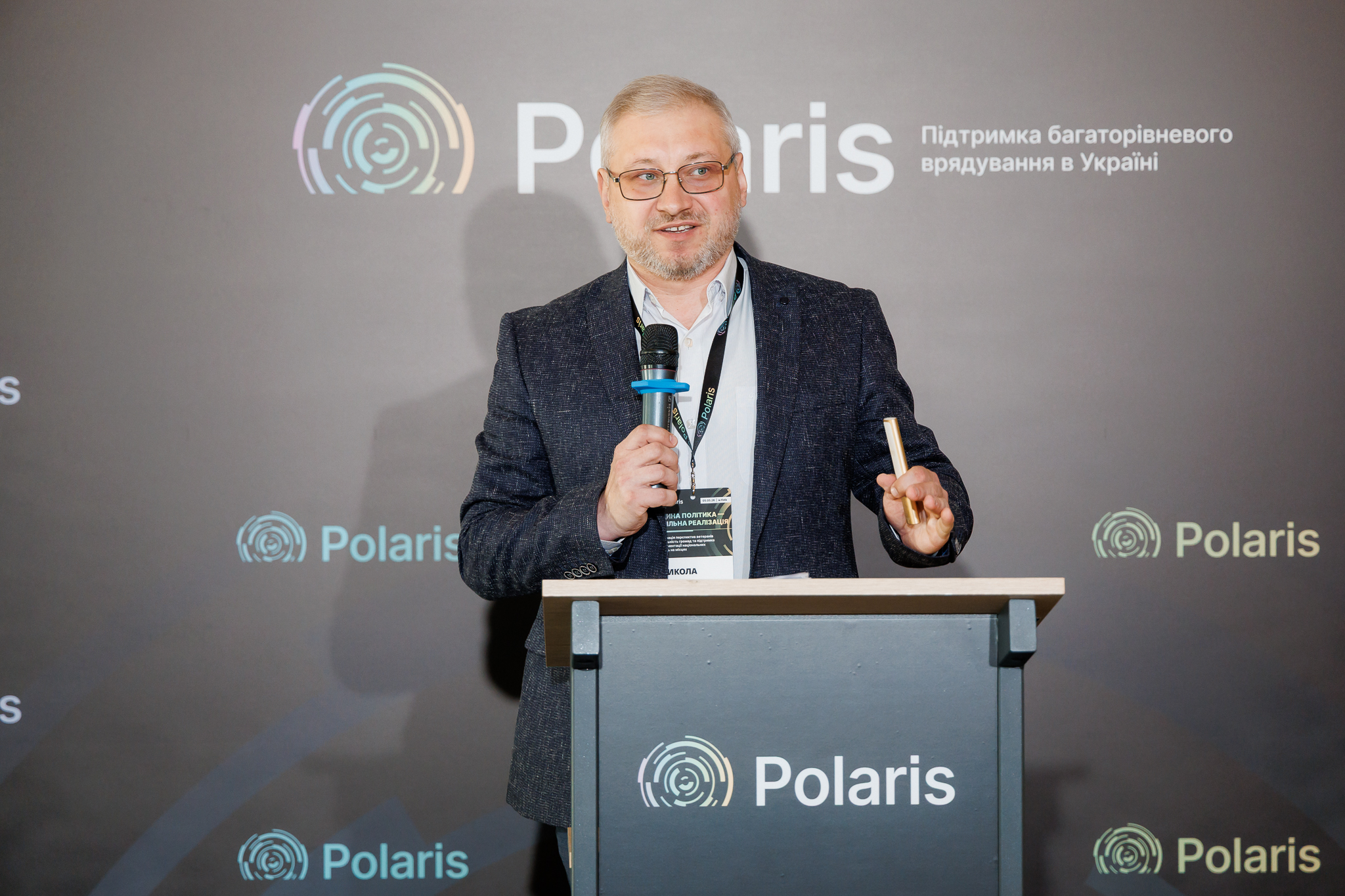
Nataliia Sivova, Head of the Department of Veterans’ Policy at the Kirovohrad Regional State Administration, underlined the importance of partnerships between hromadas and regions: “Today, it is crucial that hromadas are not left to face the challenges of veterans’ policy on their own. Sharing experiences, collaborative efforts, and support from partners enable us to develop effective solutions at the local level more quickly.”
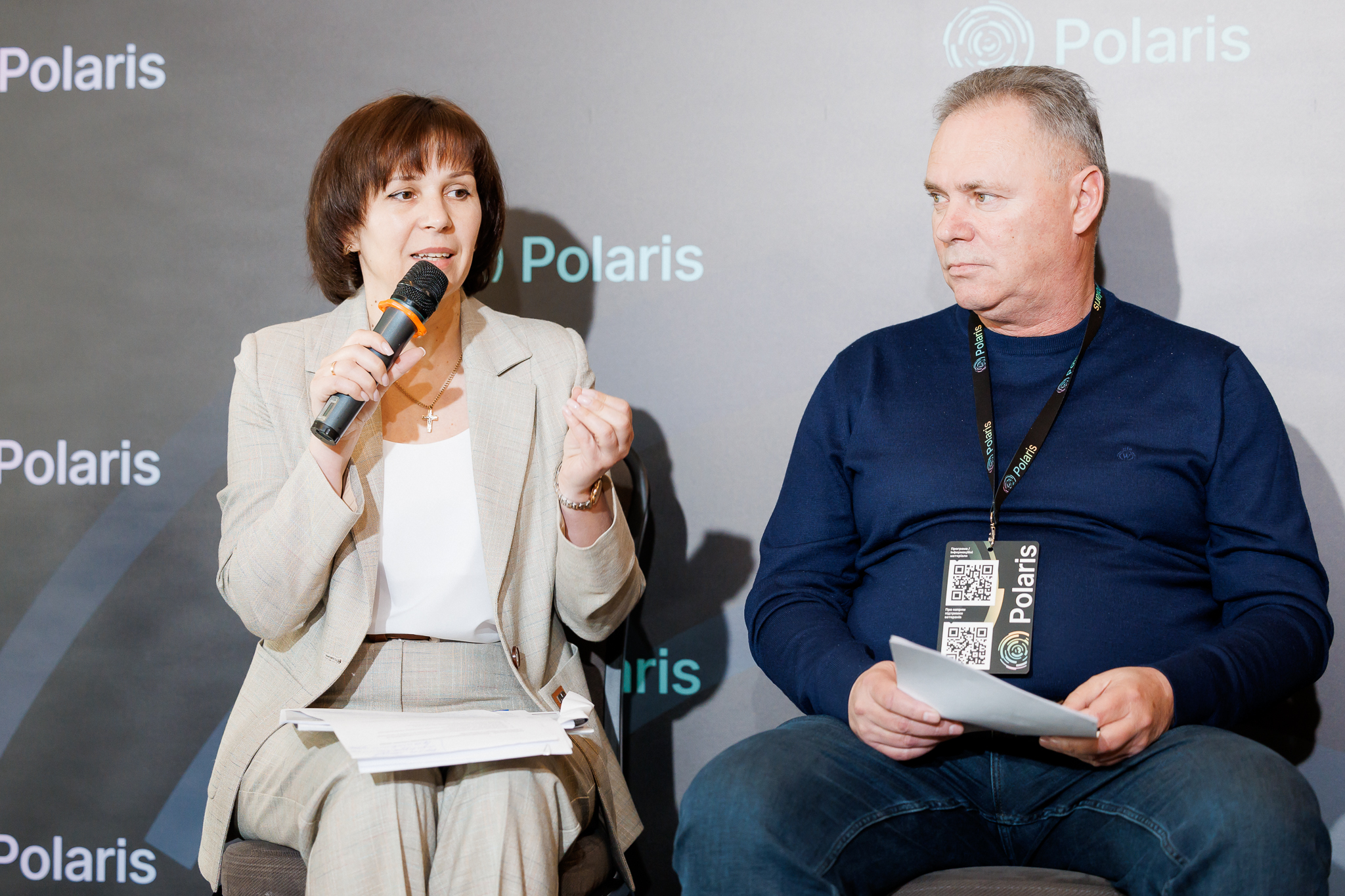
Victoriia Zrazhevska, Senior Manager at Veteran Hub, spoke about the importance of taking veterans’ real-life experiences into account: “A veteran-centered approach starts with something simple - the ability to listen to and take into account the real-life experiences of veterans and their families. Only then do services and programs become truly useful to people.”
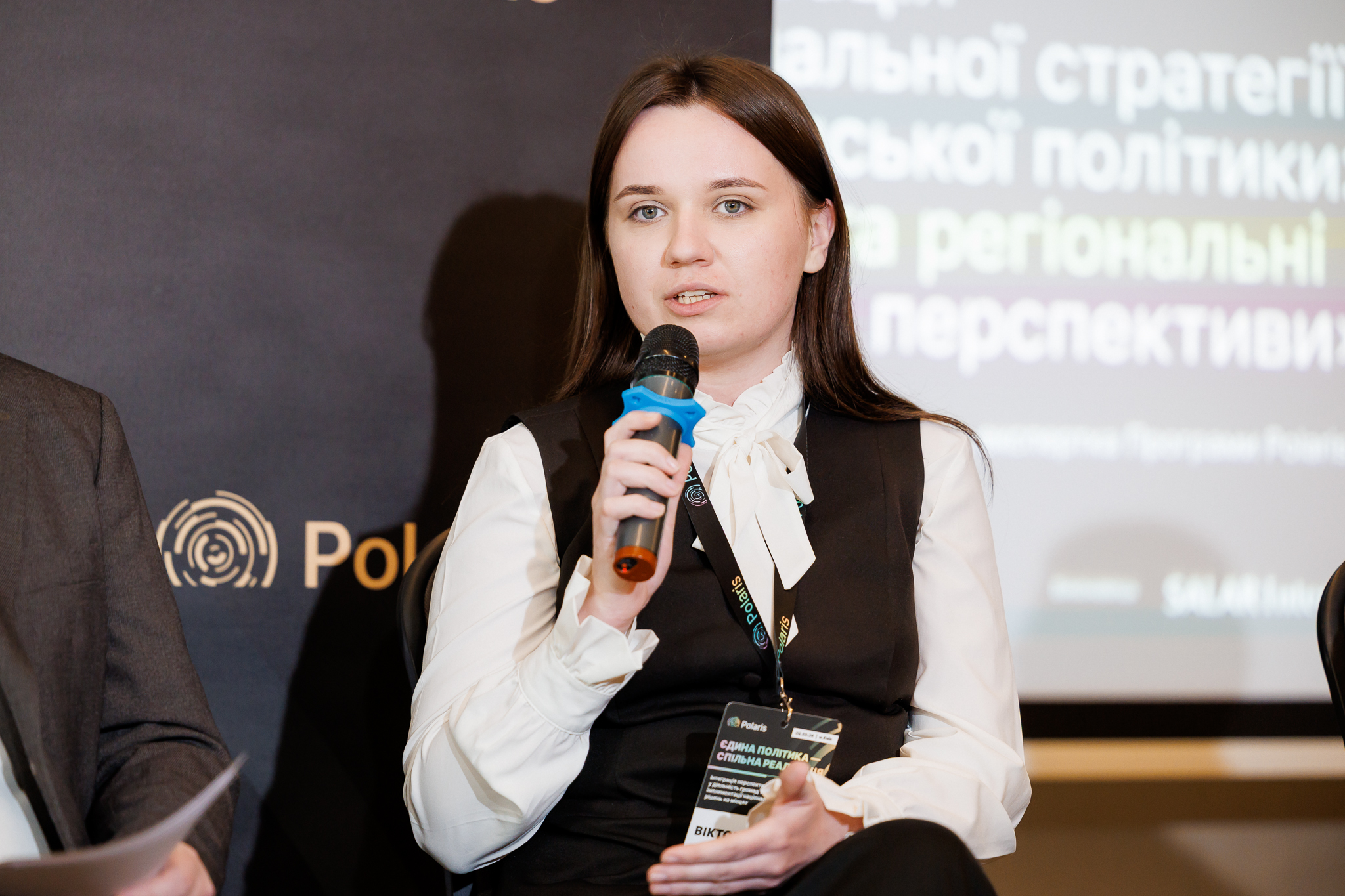
During the panel discussions, participants discussed coordination between different levels of interaction, the development of local services, support for professionals working with veterans, and the role of civil society in fostering a supportive environment.
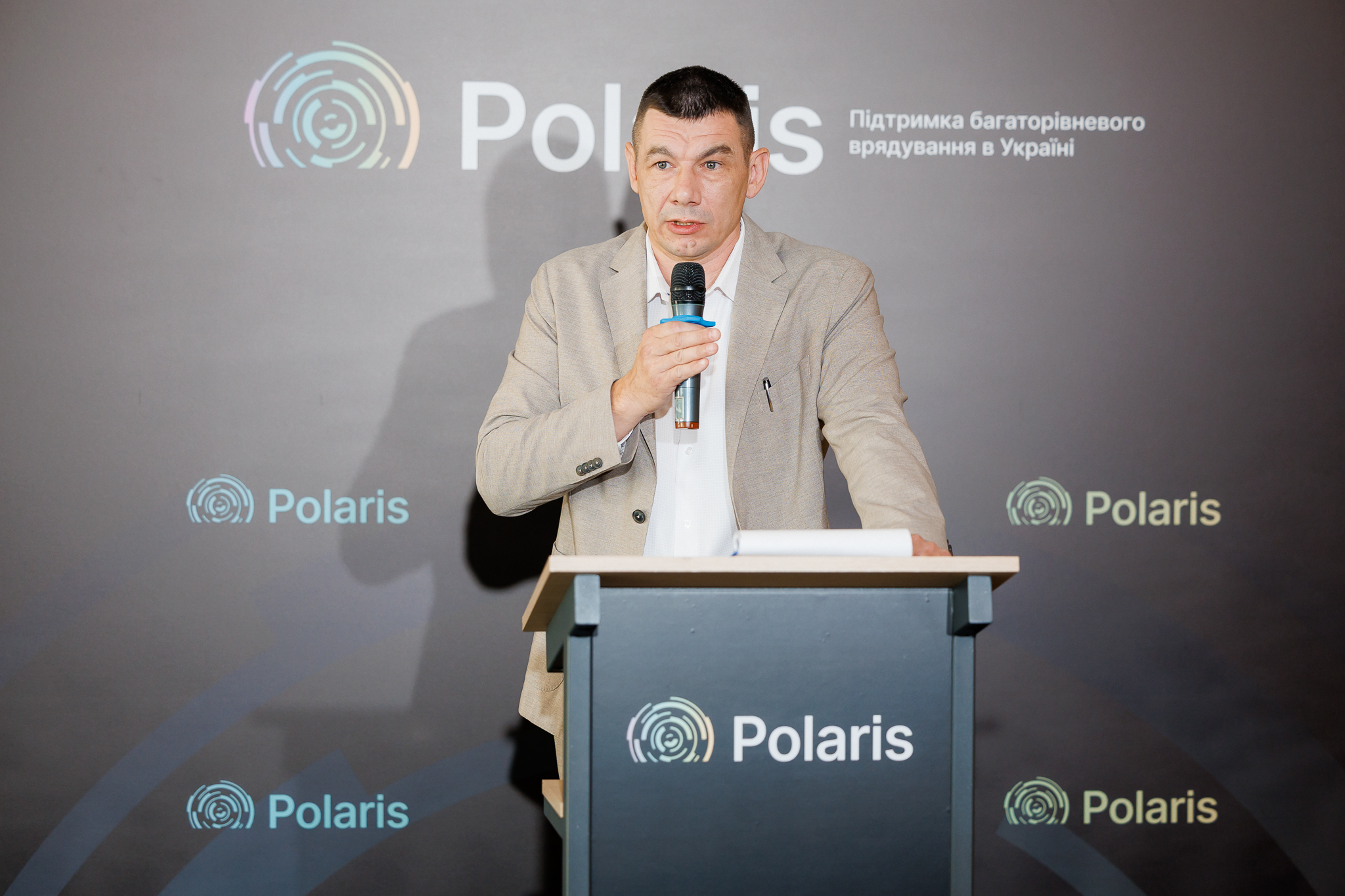
Special attention was given to approaches for integrating veterans into hromadas life. Denys Chechel, a veteran and Polaris Programme expert on integrating veterans’ perspectives into hromadas activities, presented a model of cooperation based on needs analysis, involving veterans in decision-making, and developing local support strategies.
“Our shared task is to build a system where a veteran, upon returning home, feels that support is a natural part of life. Not as a separate service or initiative, but as an environment in which the hromada is ready to listen, support, and engage,” he noted.
From 2024 to 2026, the Polaris Programme provided systematic support to 7 hromadass and 2 regions. This support included expert guidance on developing and improving veteran services, training for specialists, the development of local strategies and solutions, as well as emergency material assistance to hromadas. In particular, hromadas received IT equipment, specialized equipment kits, and vehicles to strengthen the capacity of teams working with veterans. In total, over 150 officials were involved in the development and implementation of local veteran initiatives.
The event was a platform for sharing experiences, aligning approaches, and developing a shared vision of how hromadas can create a supportive environment for veterans and their families.