The parties discussed important initiatives aimed at developing multilevel governance in the context of regional development. The primary focus was on Draft Law No. 4298, which envisions transforming local administrations into prefectural bodies to enhance transparency and legality in governance.
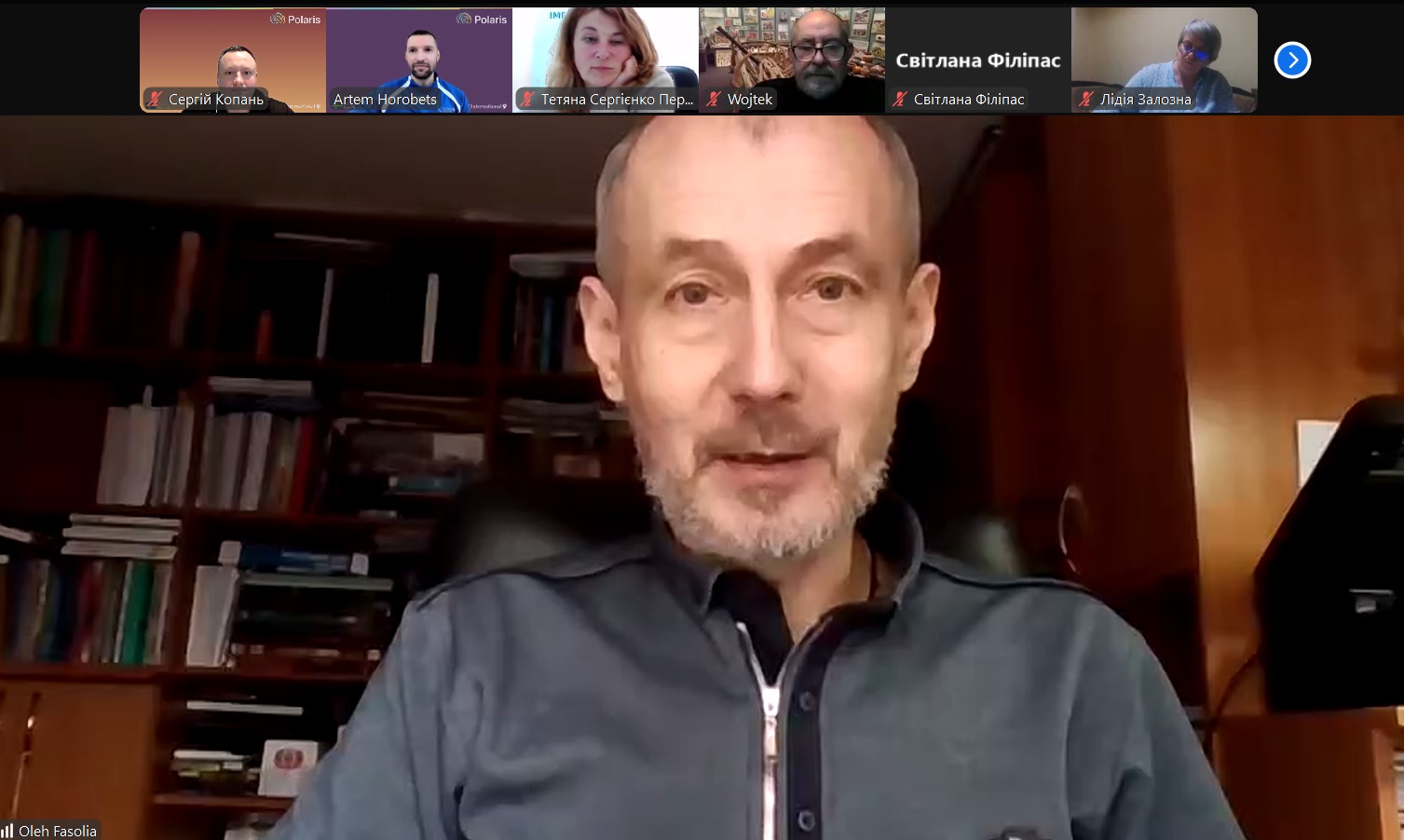
“We greatly value our collaboration with Vyacheslav Nehoda, whose efforts play a crucial role in implementing decentralisation and developing multilevel governance in Ukraine. With the support of the Swedish government, we are working together to introduce European standards that promote the sustainable development of Ukraine's regions, even in the most challenging times,” stated Susanna Dellans, Representative of SALAR international in Ukraine, Head of Support of Local Governance at the Polaris Programme.
“In times of war, it is critically important for the authorities and local self-governance bodies to work effectively together. In our oblast, there are no instances where the opinion of local self-governance has been ignored. We are building partnerships, and our main objective is to ensure that the only limits to cooperation are those set by law,” emphasised Vyacheslav Nehoda.
During the meeting, particular attention was given to supporting veterans, specifically discussing a new initiative called Veteran's Assistant. The Programme aims to employ specialists who will assist veterans in addressing administrative matters, as well as accessing medical and social services.
Participants also discussed the development of education in the region, focusing on the restoration of educational institutions and the modernisation of vocational education to train specialists in high demand on the local labour market.

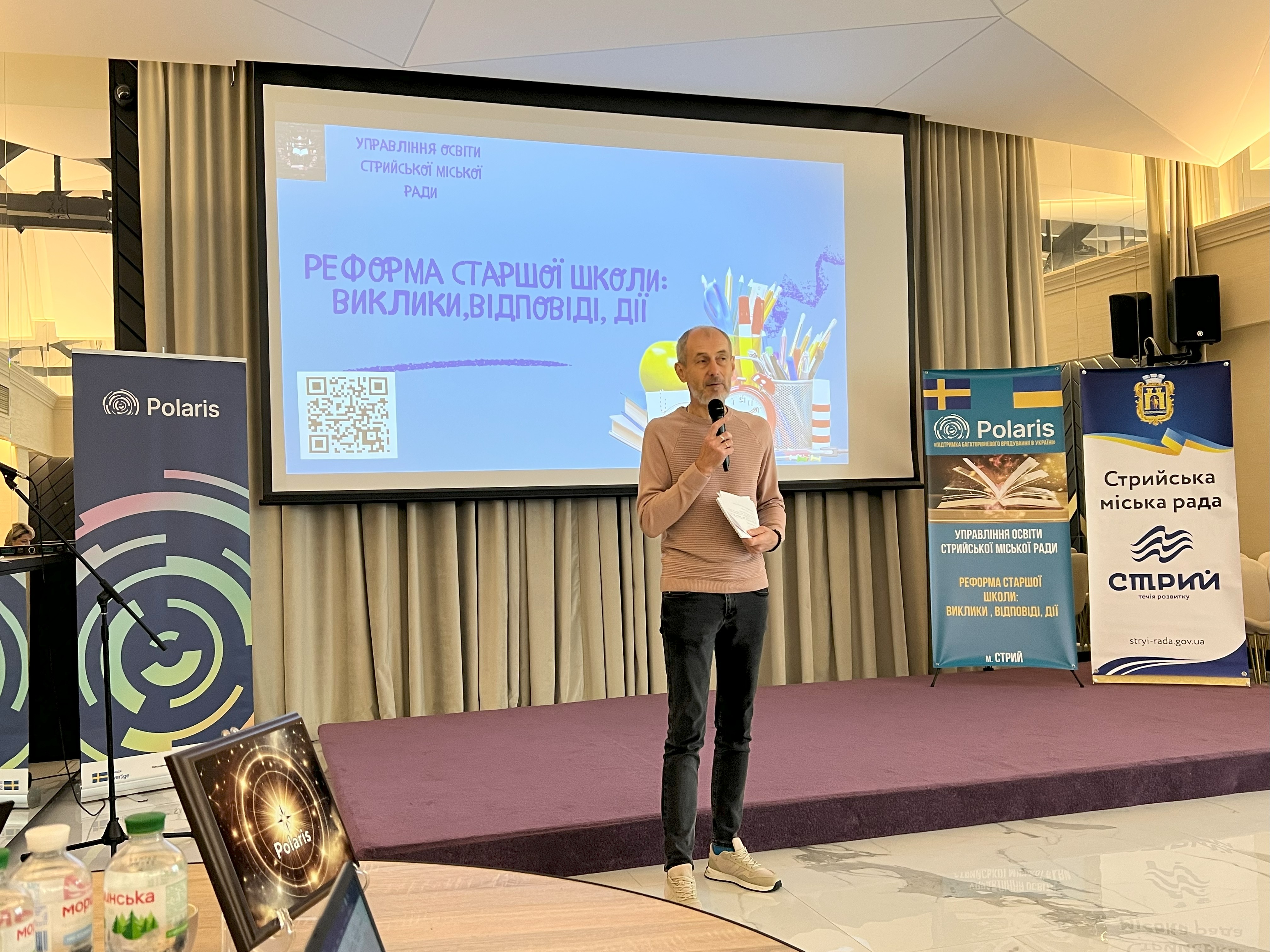
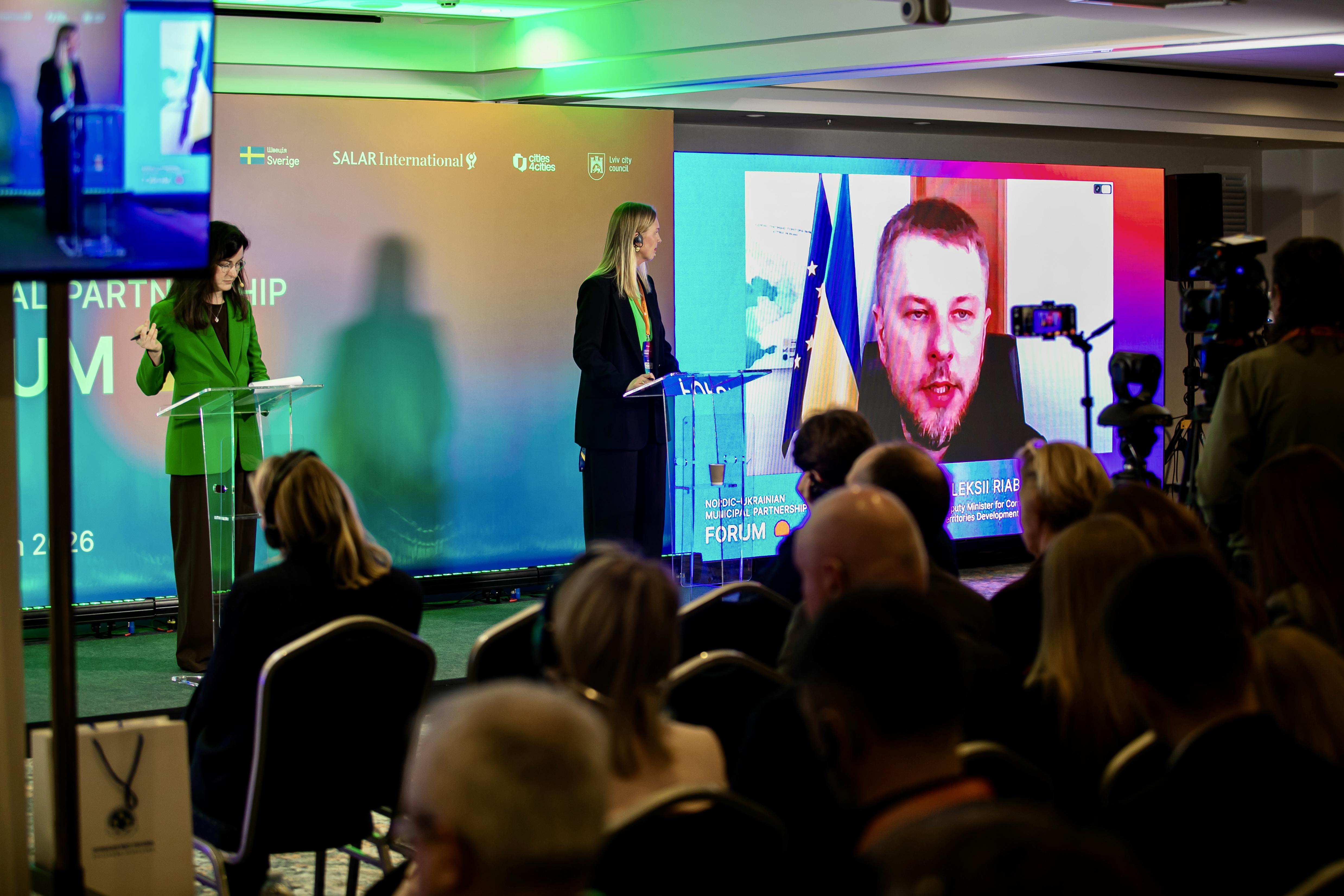
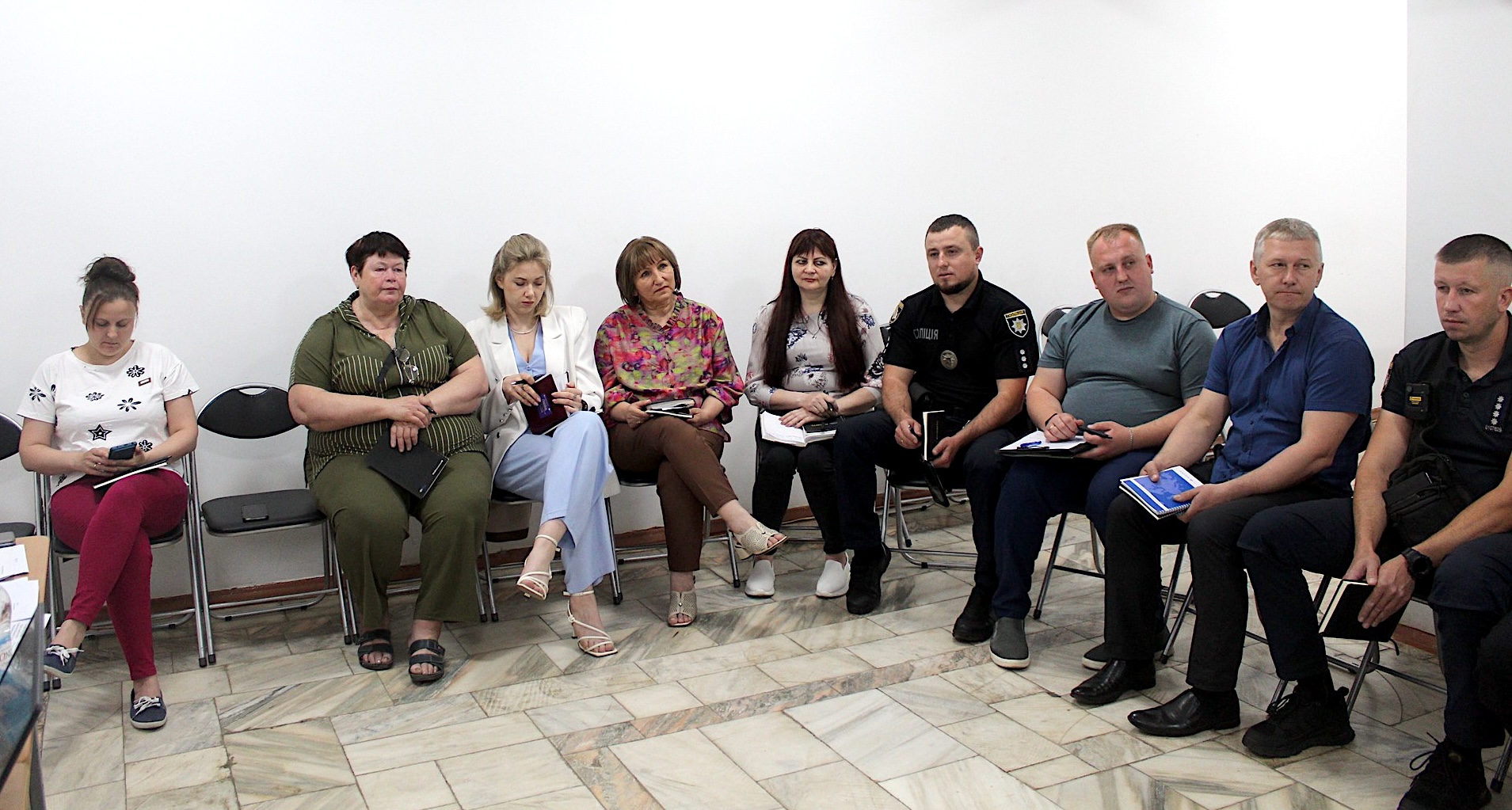
It is worth noting that the Ternopil oblast is actively adopting innovative governance approaches: implementing a pilot project for monitoring local council decisions, collaborating with the Council of Europe Programme to improve coordination between administrations and hromadas, and utilising the DREAM system for infrastructure recovery management, which currently includes 206 projects.
As an outcome of the meeting, the Ternopil Regional Military Administration expressed its dedication to strengthening long-term collaboration with the Polaris Programme. This partnership seeks to facilitate the adoption of European governance standards, promote financial decentralisation, advance educational reforms, enhance support for veterans, and drive sustainable regional development. Despite the complexities of the current wartime context, both parties emphasised their shared commitment to achieving these strategic objectives through coordinated and resilient efforts.
Photo credits: Ternopil Regional Military Administration