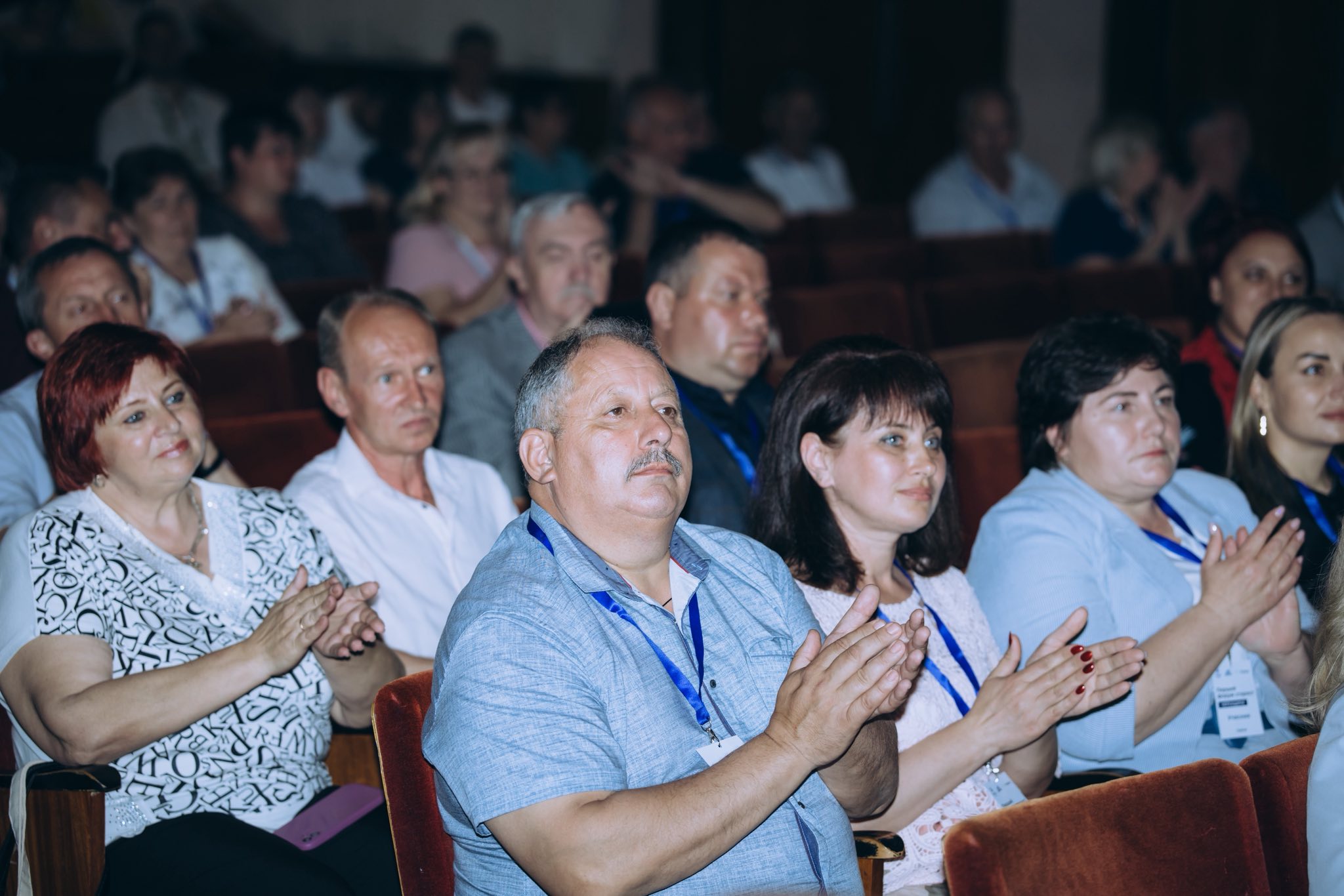
On 22 May in Smila and on 23 May in Kropyvnytskyi, regional forums for starostas were held with the support of the Polaris Programme. These forums were platforms for open dialogue between representatives of central government, local authorities, starostas, experts and partners regarding the work of hromadas during wartime and the development of the institution of starostas.
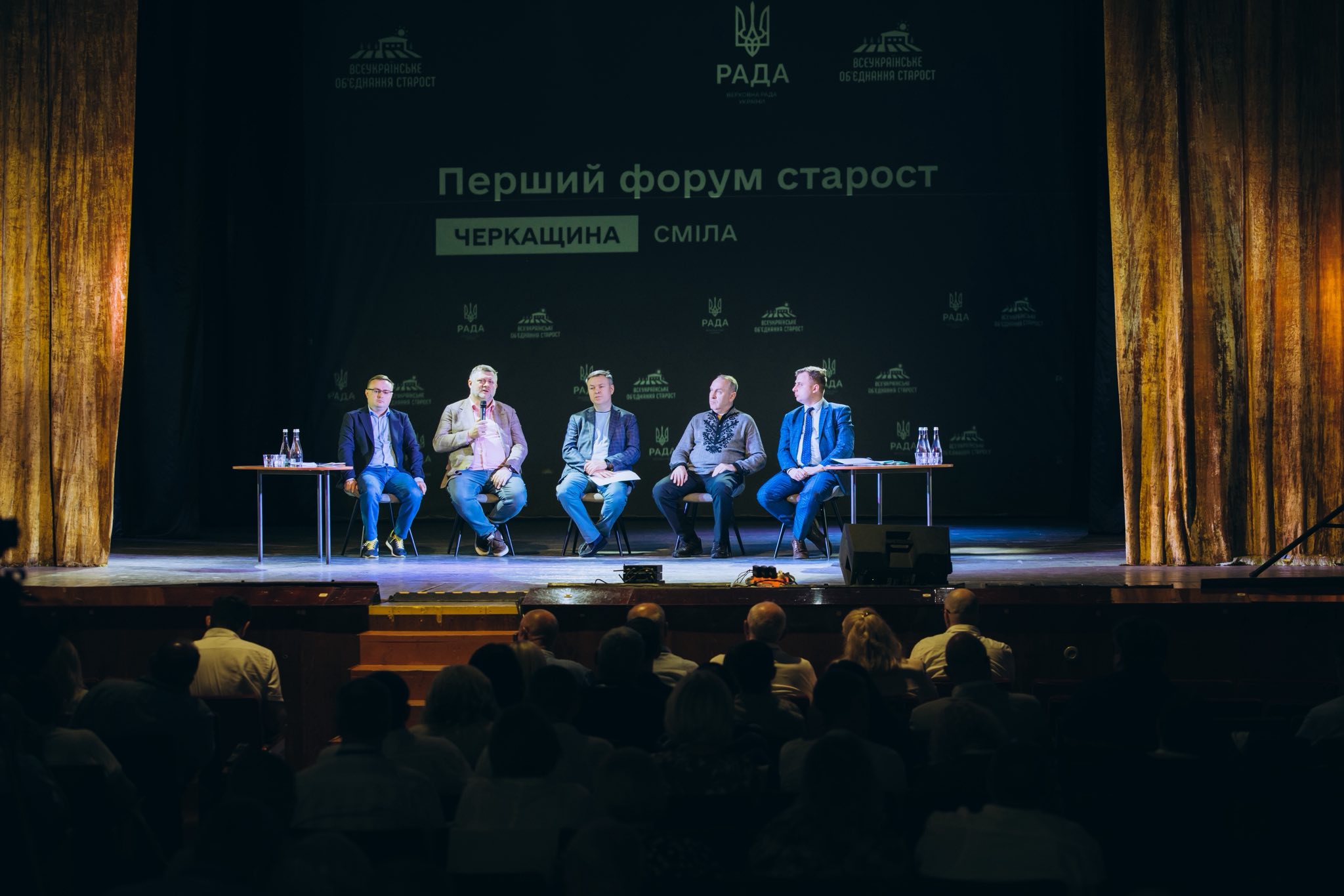
The discussion focused on hromadas resilience, coordination between self-government and the state, support for veterans, Ukraine’s progress towards the European Union, and the changing role of the starostas – from day-to-day work with local residents to full participation in decision-making, budgeting and regional development.
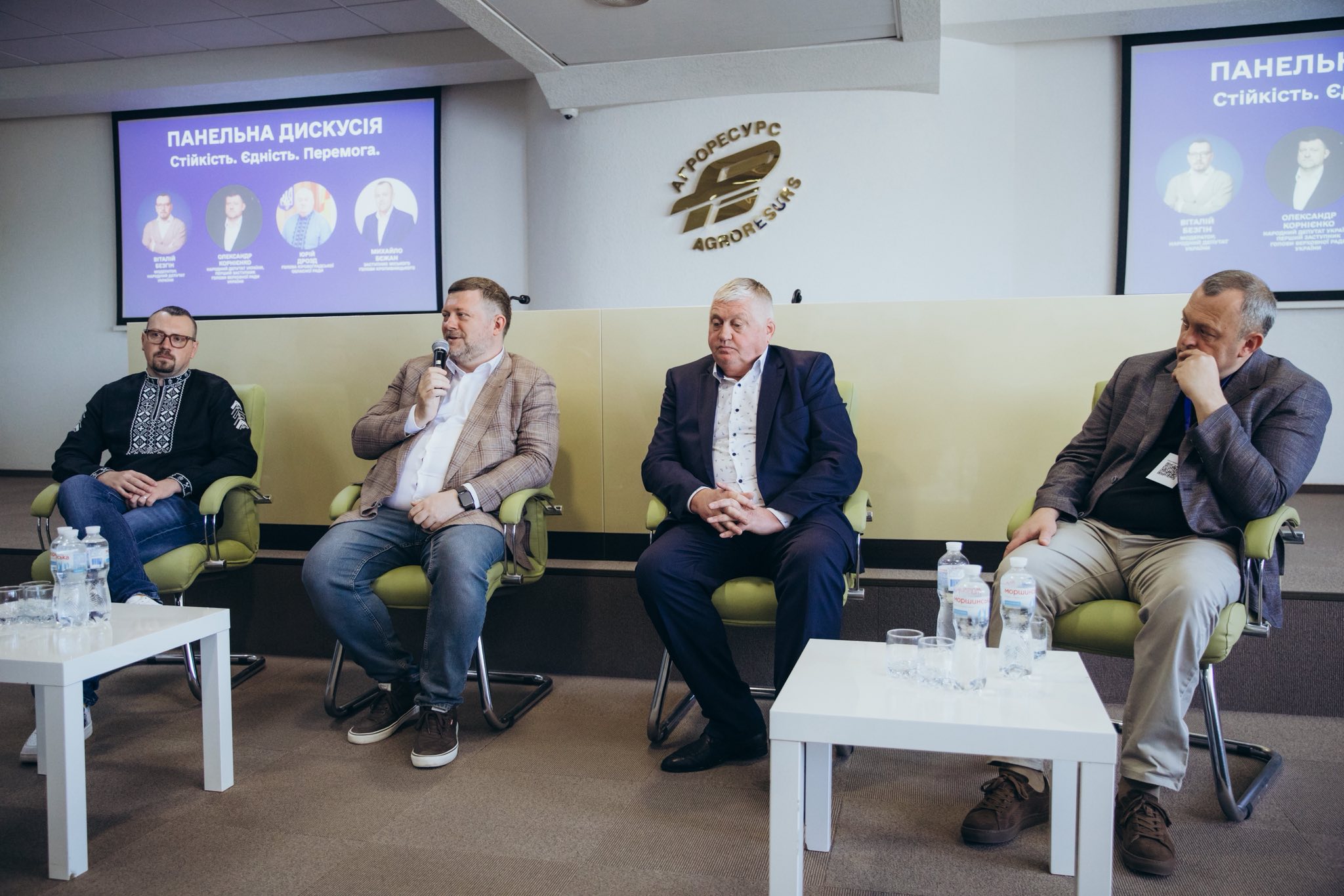
Addressing the forum participants, First Deputy Speaker of the Verkhovna Rada Oleksandr Korniienko emphasized the importance of strengthening local self-government and providing hromadas with the necessary resources: “Hromadas are our foundation. We always stand by local self-government. Any new powers granted by the state must be backed up by resources. This is a fundamental principle.”
The participants paid particular attention to preparing hromadas for the return of veterans and creating conditions for their integration into hromadas life.
“The return of veterans is a task for which local self-government must prepare today. The state is building a support system, but it is at the local level that veterans and their families must find a reliable partner,” noted Oleksandr Korniienko.
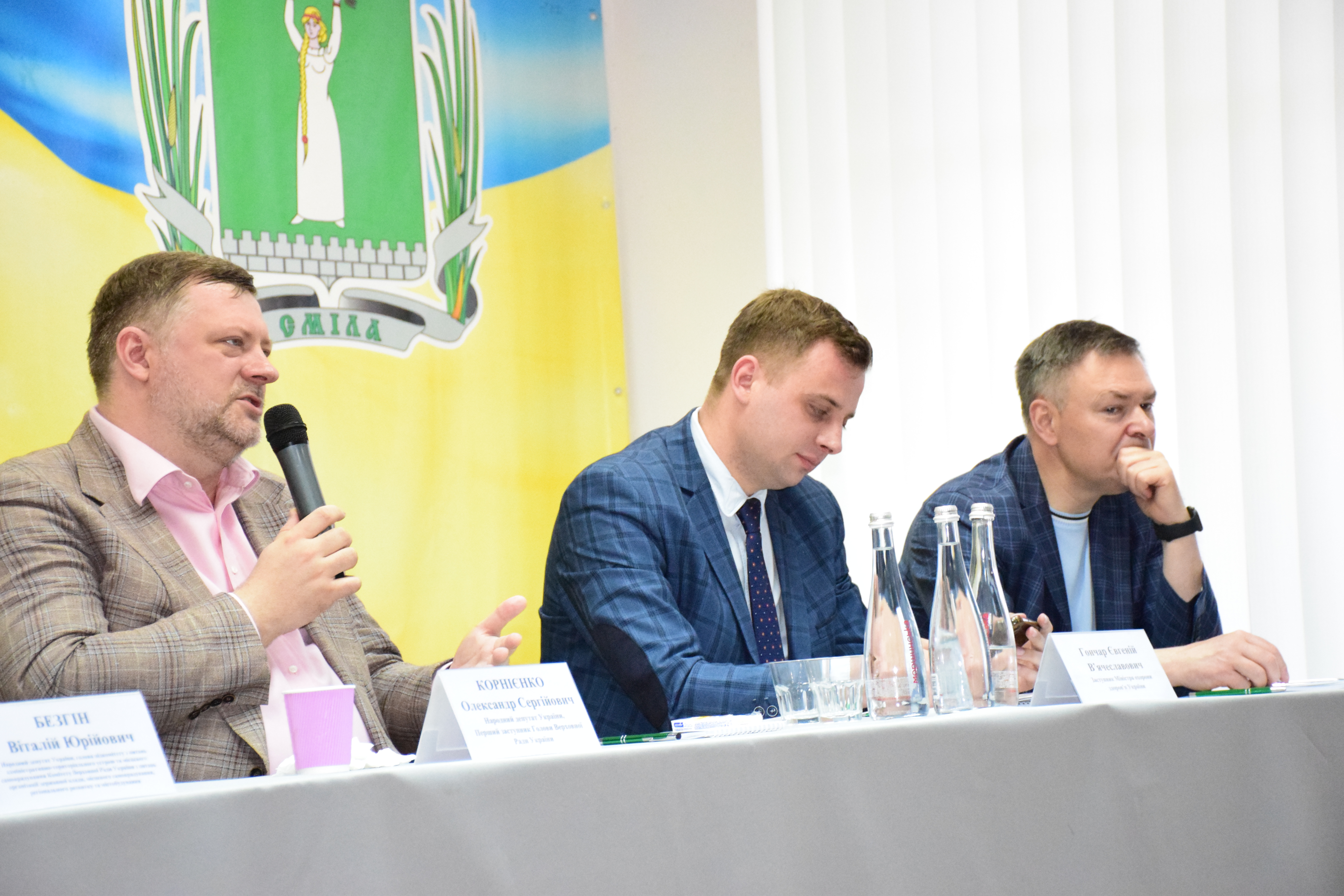
Special attention was given to practical tools for strengthening the institutional capacity of starostas. Polaris experts presented the Programme’s findings regarding the legal status of starostas, their role in the executive bodies of local councils, their participation in the budgetary process, strategic planning, and the involvement of residents in local development.
Andrii Matsokin, coordinator of the ‘Development of Institutional Capacity of starostas’ component of the Polaris Programme, noted that the understanding of the role of the starosta has changed in recent years: ‘We have been working with the institution of starostas since 2015 and have clearly seen how the role of the starosta in the hromada has evolved. From being perceived as a ‘one-man band’ or the ‘king and god of the village’ - to a clear understanding that the starosta is an official of local self-government, whose activities must be based on legislation, defined powers and systematic interaction with the hromada.”
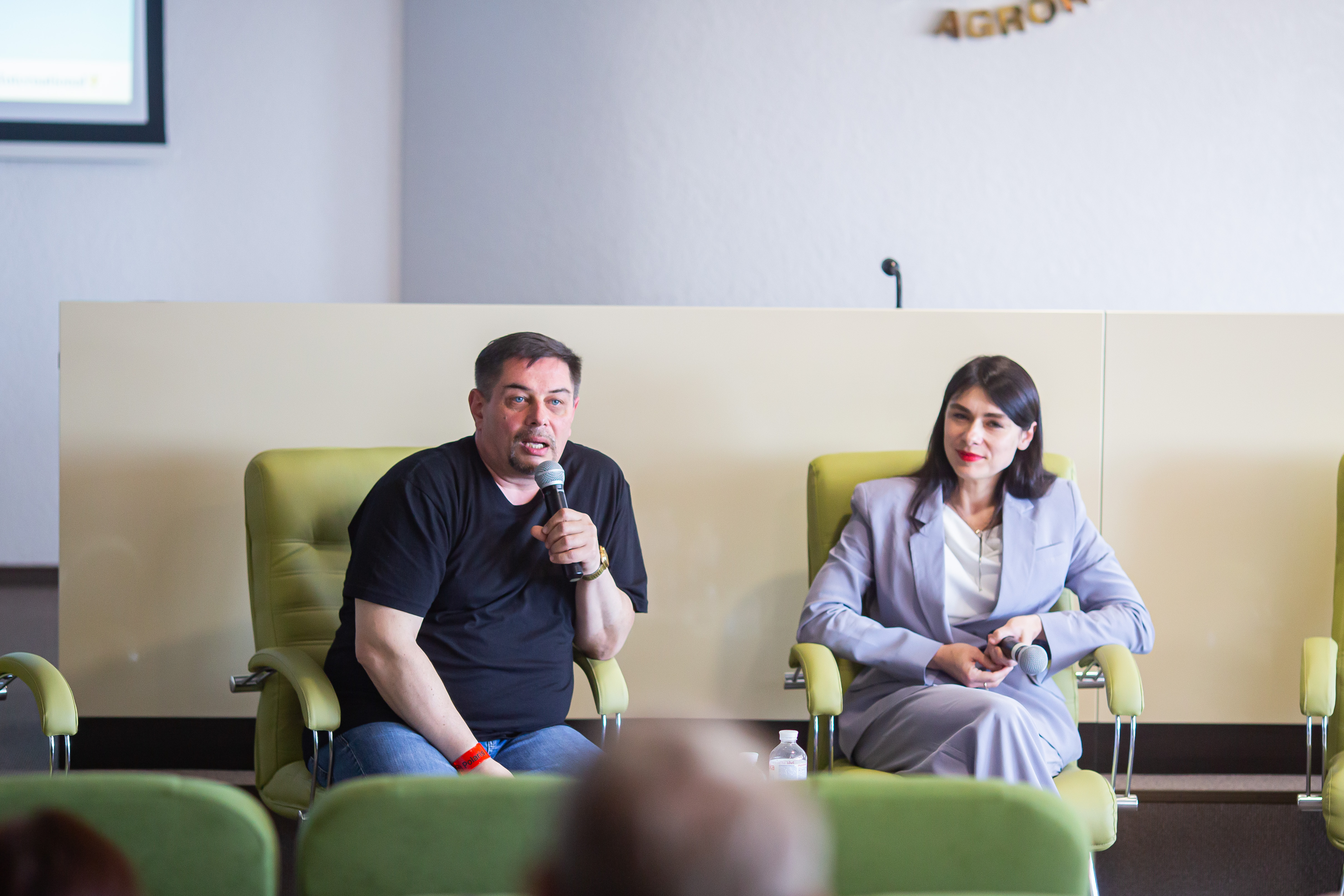
According to the expert, the Programme is developing tools, models and practices that help hromadas to independently establish an effective system for the work of starostas and ensure the high-quality delivery of public services in starosta districts.
Polaris Programme expert Nataliia Mamchak focused on the fact that current legislation already provides starostas with significantly broader opportunities to participate in hromadas governance: “A starosta is not only an ‘administrator’, but an official who acts in the interests of local residents. That is precisely why he must be involved in the budgetary process, strategic planning and territorial development. At the same time, the effectiveness of this role depends to a large extent on the extent to which the hromada actually involves the starosta in decision-making processes and interaction with residents.”
Participants also discussed new legislative opportunities for the work of starostas, tools for resident participation in decision-making, and approaches to integrating starostas into the processes of strategic and budgetary planning for hromadas. Polaris experts presented the results of their work with partner hromadas and approaches to strengthening the role of starostas in territorial development – from ad hoc decisions to systematic participation in hromadas development.
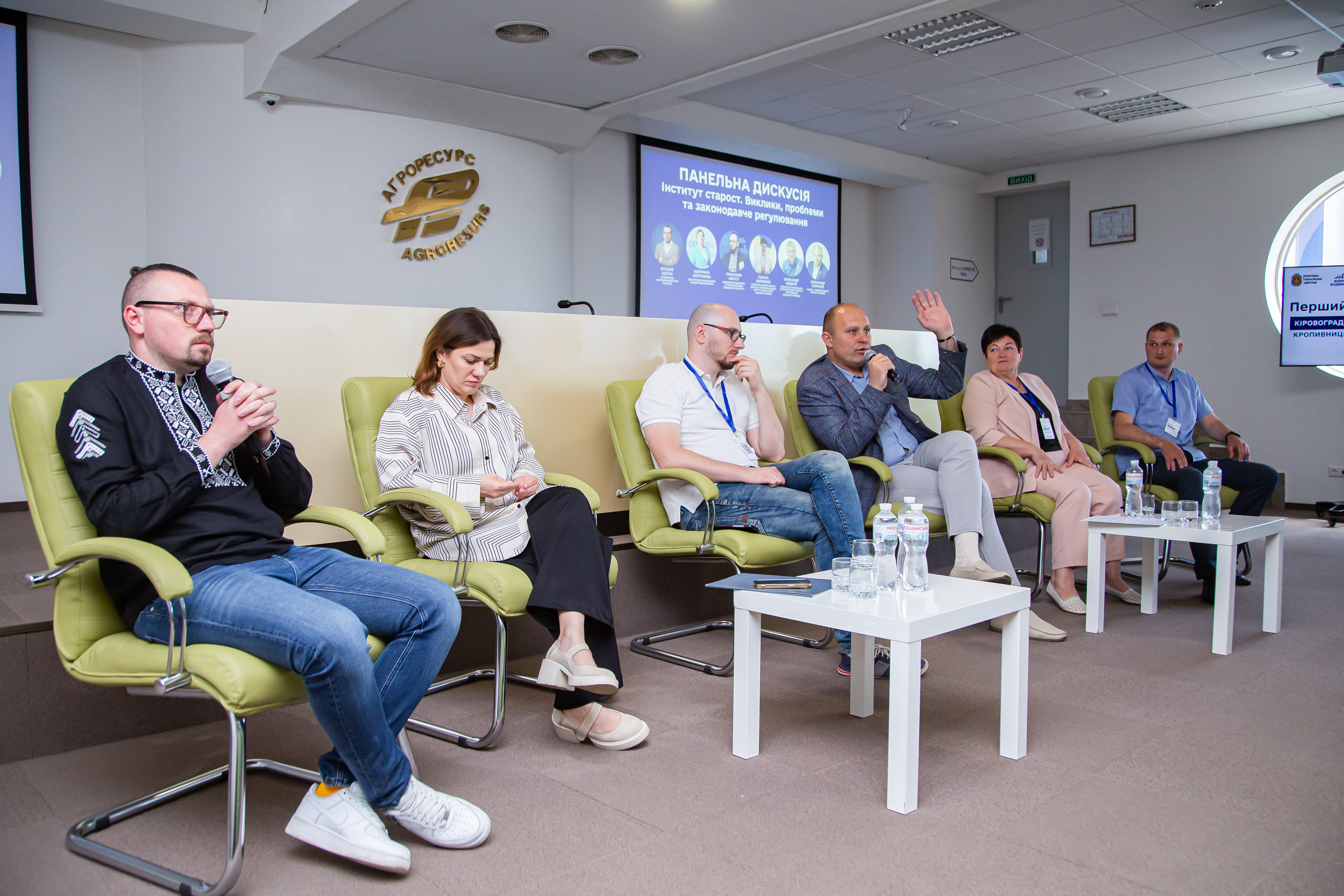
The development of the institution of starostas is one of the key areas of the Polaris Programme’s work. During 2024–2025, the Programme has been working and continues to cooperate with 27 partner hromadas to strengthen the institutional capacity of starostas, develop practical tools for their work, and support hromadas in implementing systemic solutions at the local level.