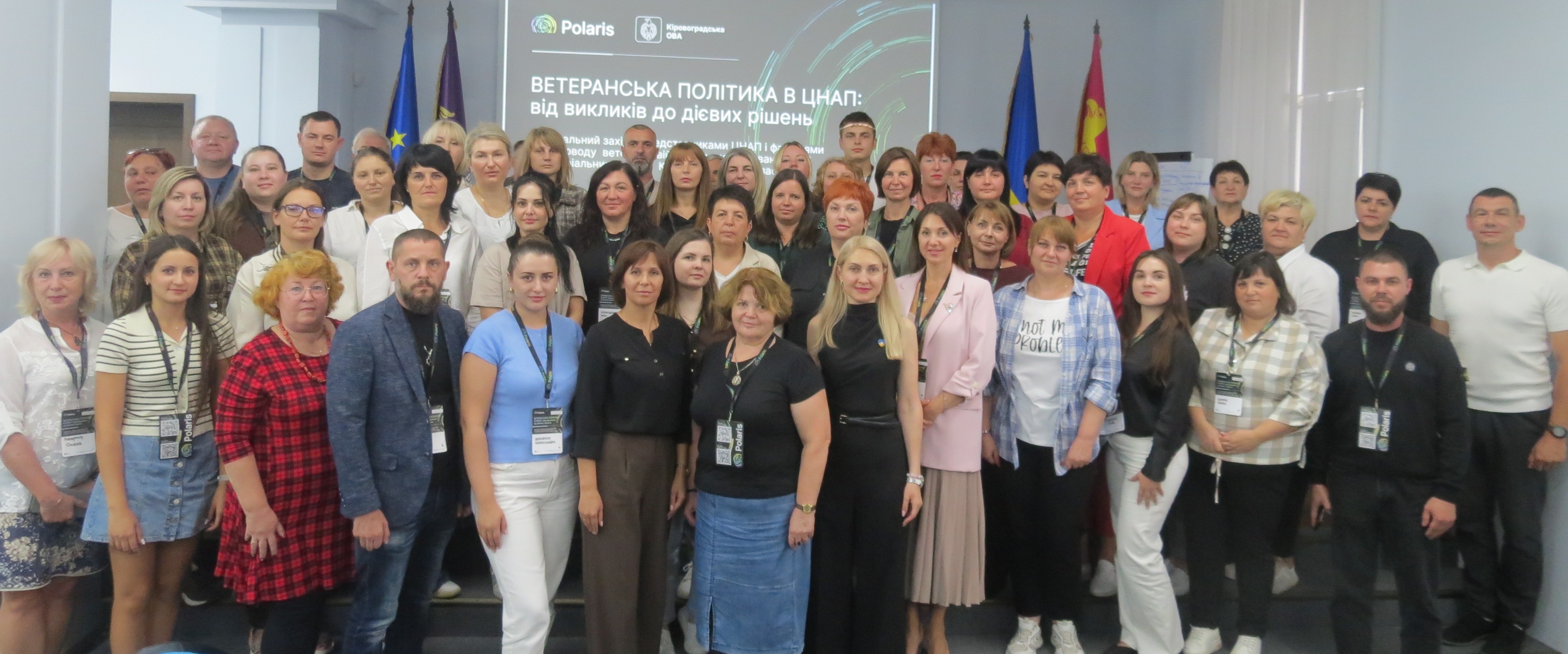
On 27 August in Kropyvnytskyi, the Polaris Programme, together with the Kirovohrad Regional Military Administration, held the regional event “Veteran Policy at Administrative Services Centres: From Challenges to Effective Solutions”.
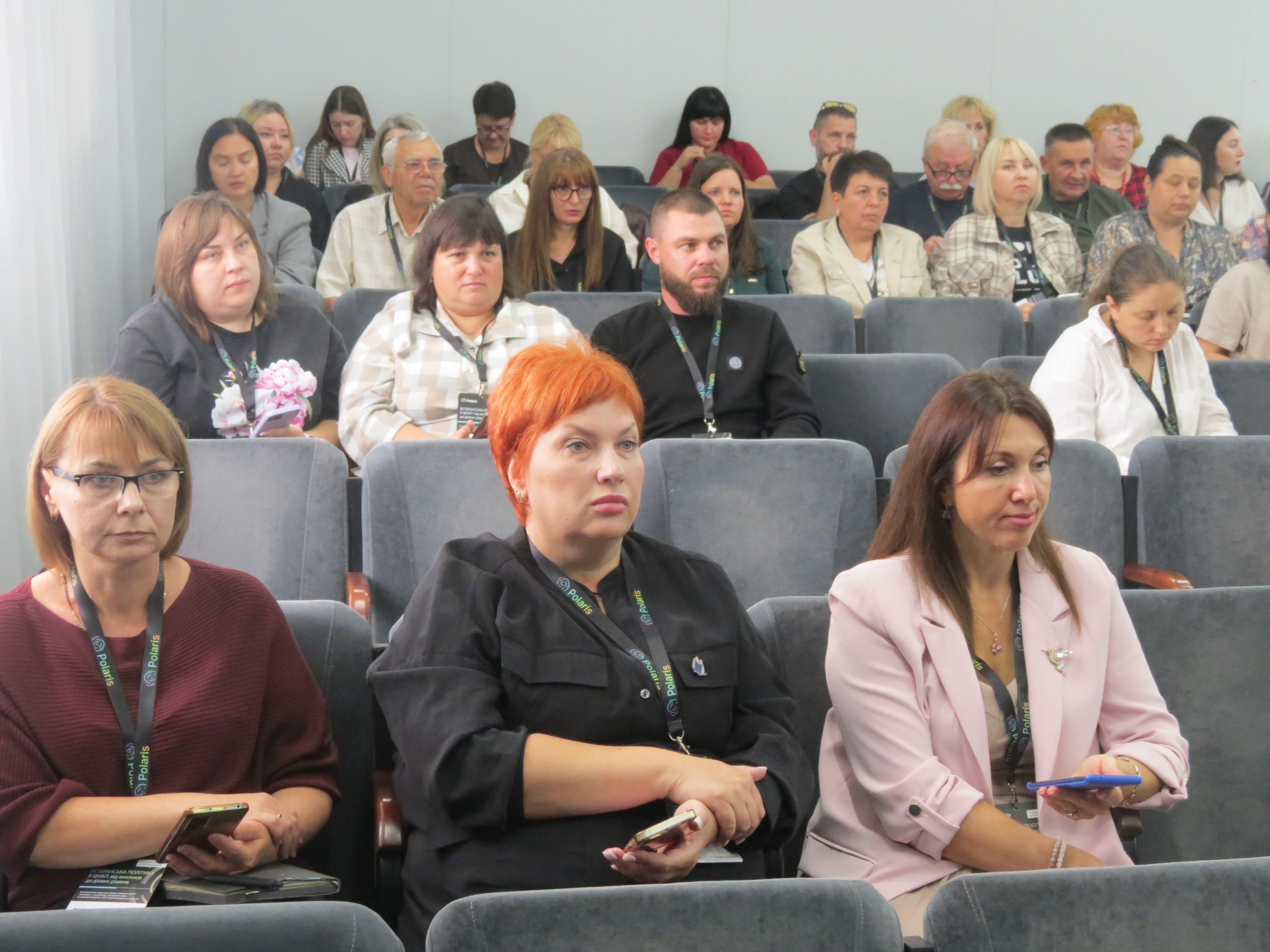
The event brought together around 70 representatives from 24 hromadas of Kirovohrad Oblast, including employees of Administrative Services Centres, specialists supporting war veterans and demobilised persons, representatives of veteran and social services, as well as regional and district authorities.
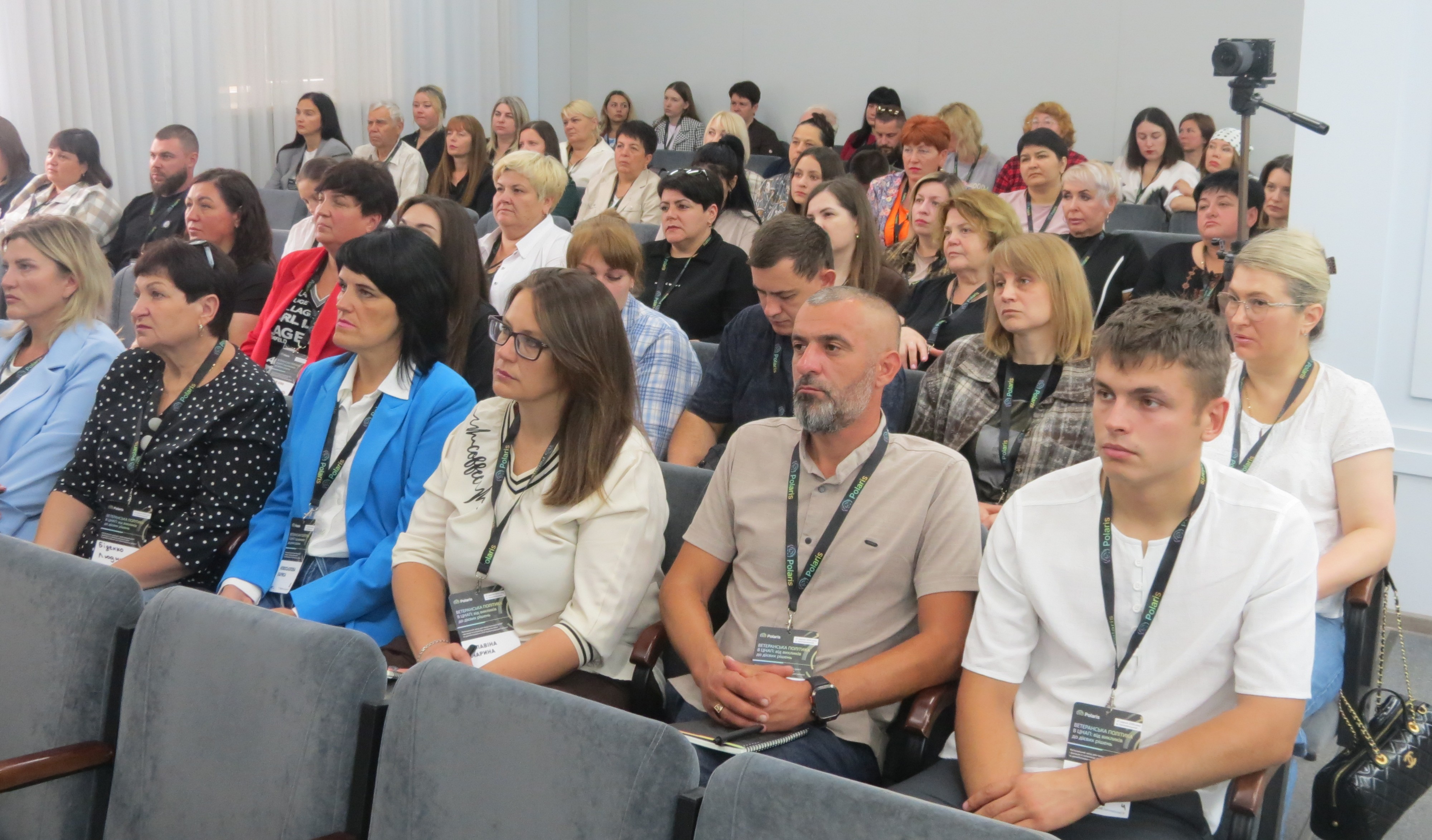
The main focus was on how to ensure that veterans and their family members do not have to navigate the system on their own when seeking assistance, but instead receive a clear service pathway and coordinated support from the Administrative Services Centre, a veteran support specialist and other hromada services. Strengthening cooperation between all actors involved in service provision was identified as one of the key objectives of the event.
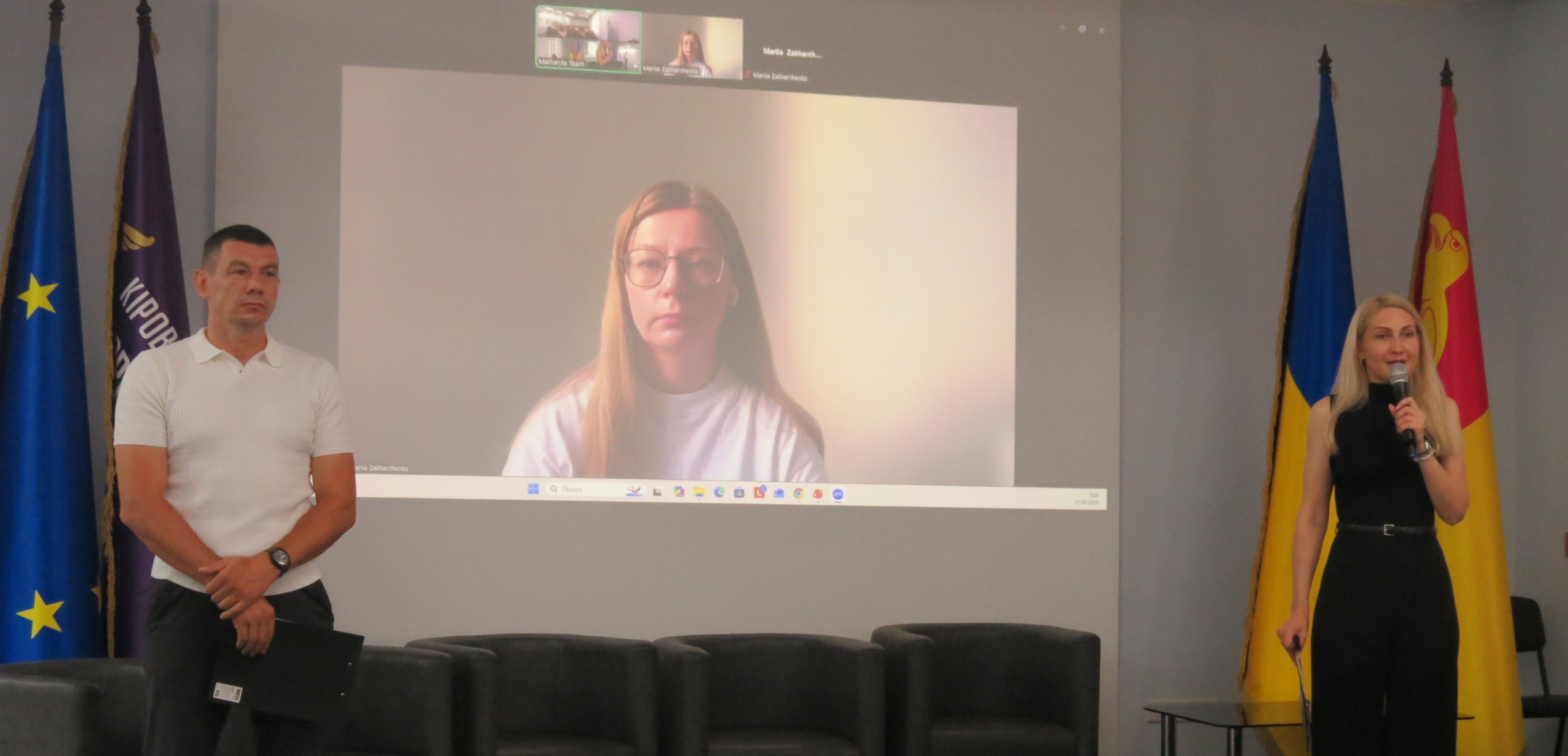
The event was opened by Kateryna Koltunova, Deputy Head of the Kirovohrad Regional Military Administration, and Mariia Zakharchenko, Local Stakeholder Engagement Lead at the Polaris Programme.
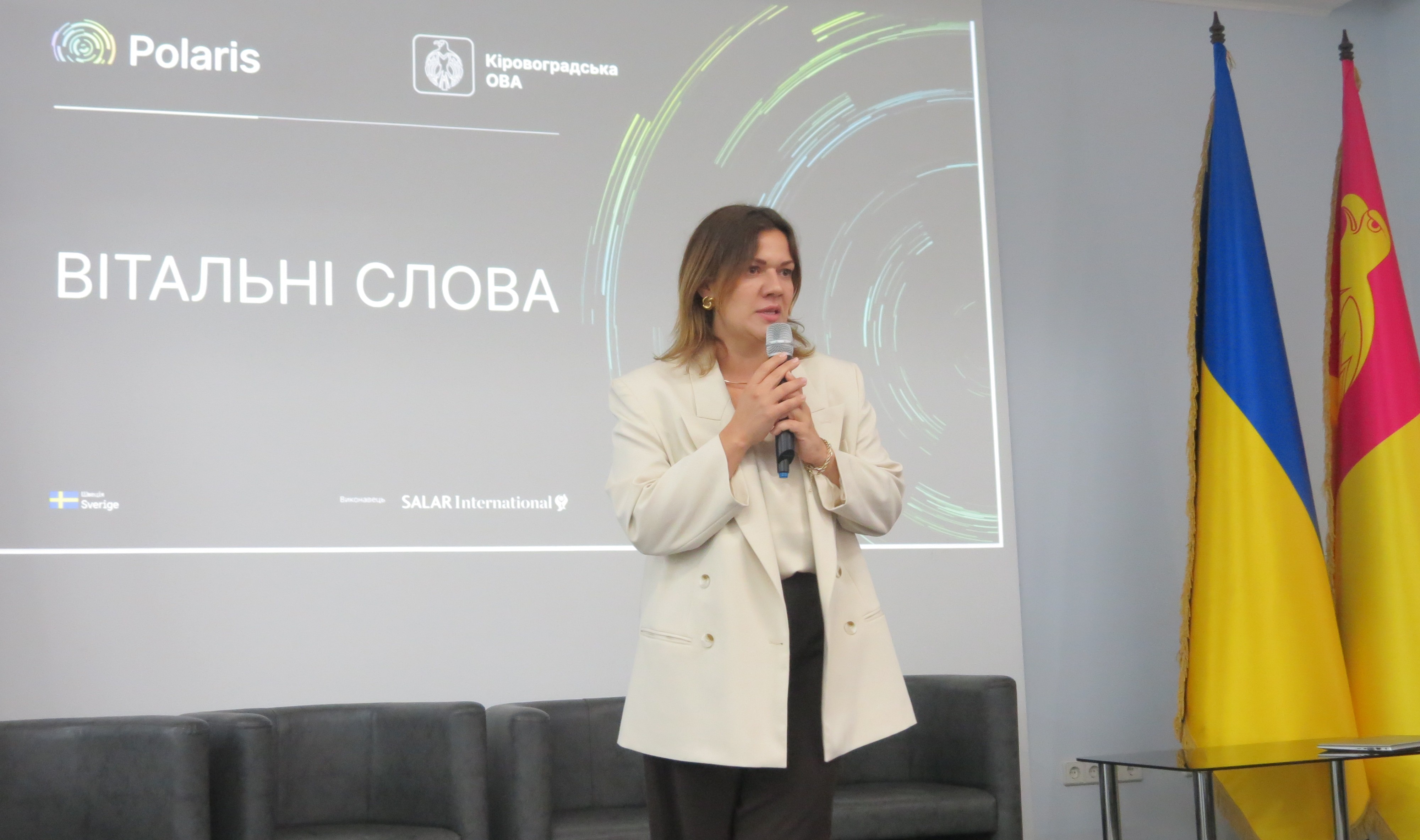
“We need to build a people-centred system in the rear that works in a coordinated and uninterrupted way. Once all payments have been received and the necessary documents completed, veterans and their families can take a breath and move on to recovery, education or starting their own business. The well-being of the entire hromada therefore directly depends on our cooperation,” said Kateryna Koltunova.
Mariia Zakharchenko emphasised that veteran policy in a hromada should not be a collection of separate services. Administrative Services Centres, veteran support specialists, social, medical and other services should work as one integrated system.
This was the third joint regional meeting organised by Polaris and the Kirovohrad Regional Military Administration as part of their systematic work on veteran policy. Kirovohrad Oblast is one of the regions where the Programme is working to integrate the perspectives of male and female veterans into the activities of hromadas.
Across five thematic sessions, the work began with an interactive survey in which participants identified current challenges in organising services for veterans, as well as the needs of hromadas. Polaris expert Alla Kovalchuk then presented practical approaches to organising veteran services and strengthening cooperation between ASC, veteran support specialists and other actors involved in the support system.
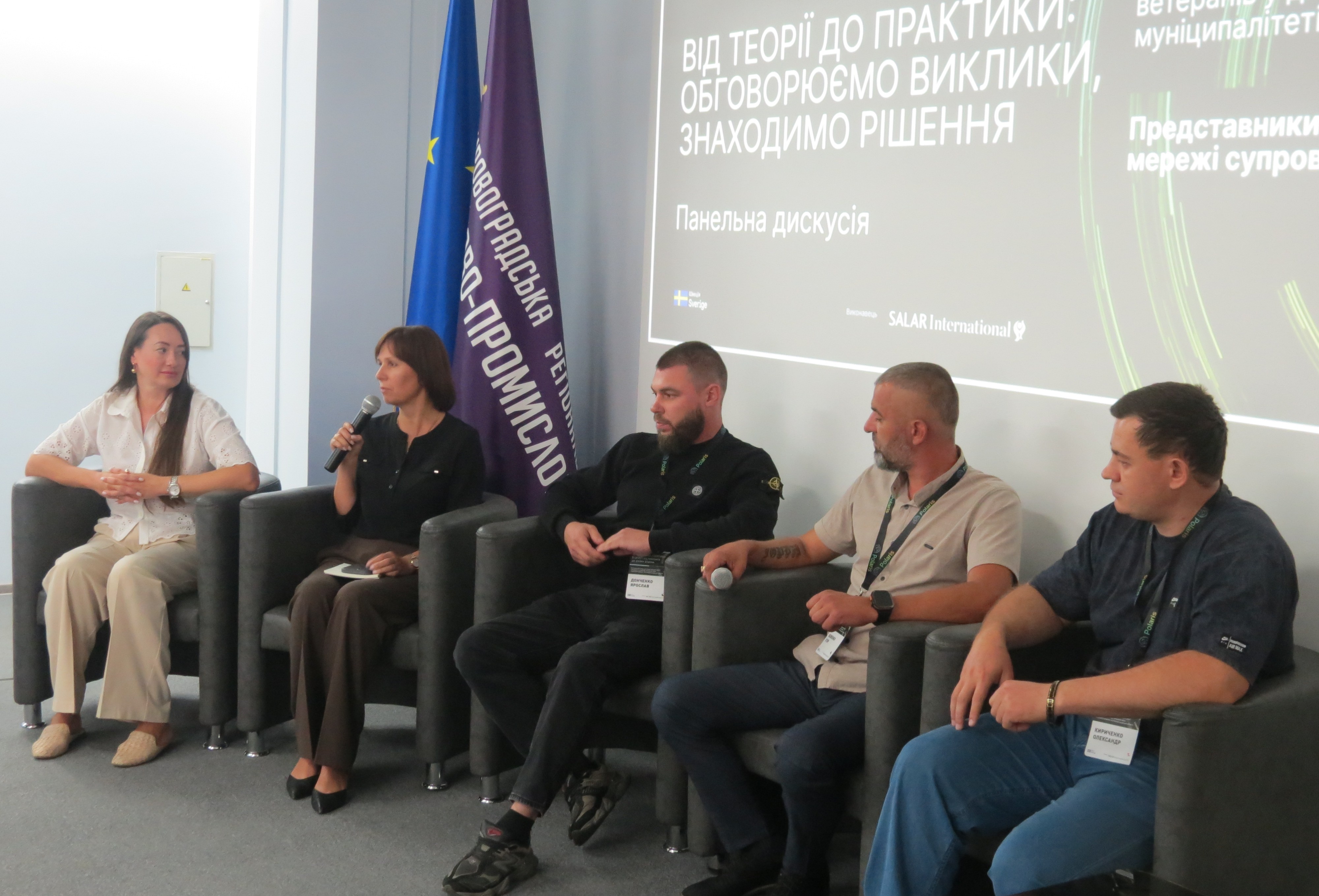
The programme also included a dedicated panel discussion with representatives of ASCs and veteran support specialists. They discussed issues they face in their daily work, including confidentiality in service provision, the complexity of services for veterans, frequent changes in legislation, professional burnout, working with the families of those killed or missing in action, and how to avoid making people act as couriers between different institutions.
Denys Chechel, a veteran and Polaris expert on Іntegrating Veterans’ Perspectives into Municipal Work, emphasised the need for teamwork among all local services: “If an ASC administrator and a veteran support specialist work as one team, without shifting responsibility onto each other, the veteran leaves not with a new route between institutions, but with the issue resolved.”
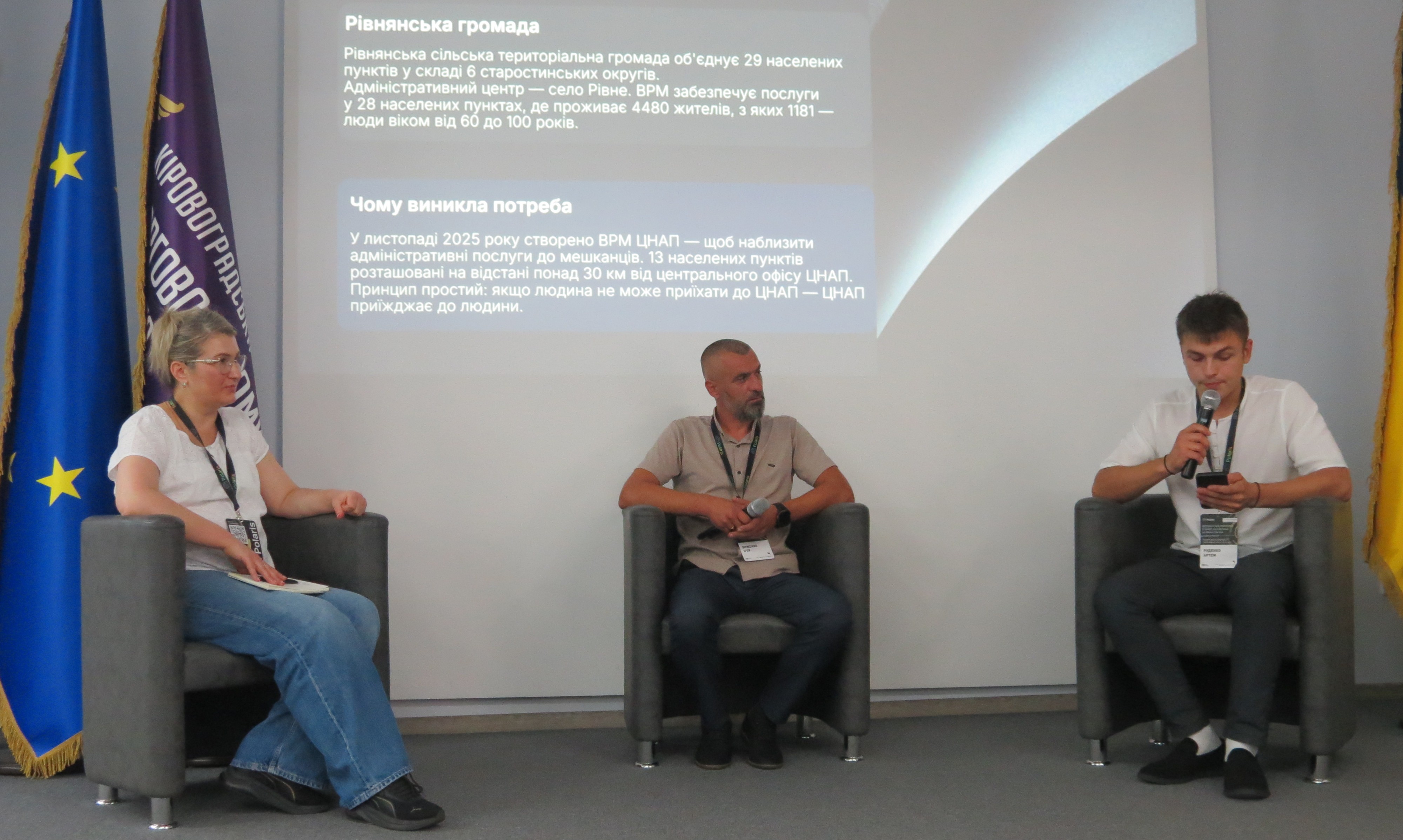
Participants also examined the practical experience of Oleksandriia and Rivne hromadas, including the work of the “Adminservice Veteran” initiative, outreach visits, and mobile service provision for residents of remote settlements using “Mobile Suitcases”.
The meeting concluded with a practical exercise: working in six groups, participants analysed real-life situations that veterans, their families, ASC administrators and veteran support specialists may encounter, and developed specific courses of action.
This format helped move the discussion from identifying challenges to developing practical solutions that hromadas can already adapt to their day-to-day work.