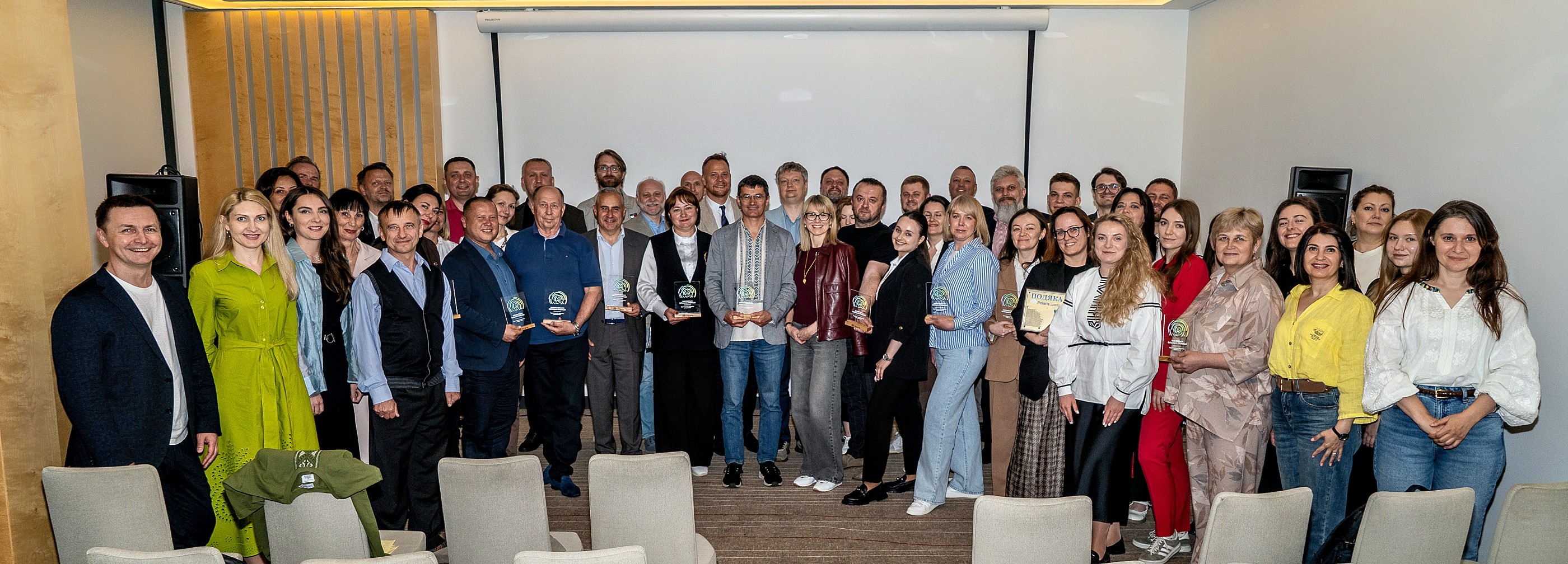
On 27 May in Kyiv, the Polaris Programme held a final event for the 13 partner hromadas in the ‘Locally-led Recovery’ sphere.
The conference ‘Planning for Recovery at the Local Level: Experience and Results’, focused on the outcomes achieved by the hromadas with Polaris’s support: what has already been implemented, which tools have proven most effective, and which approaches can be scaled up.
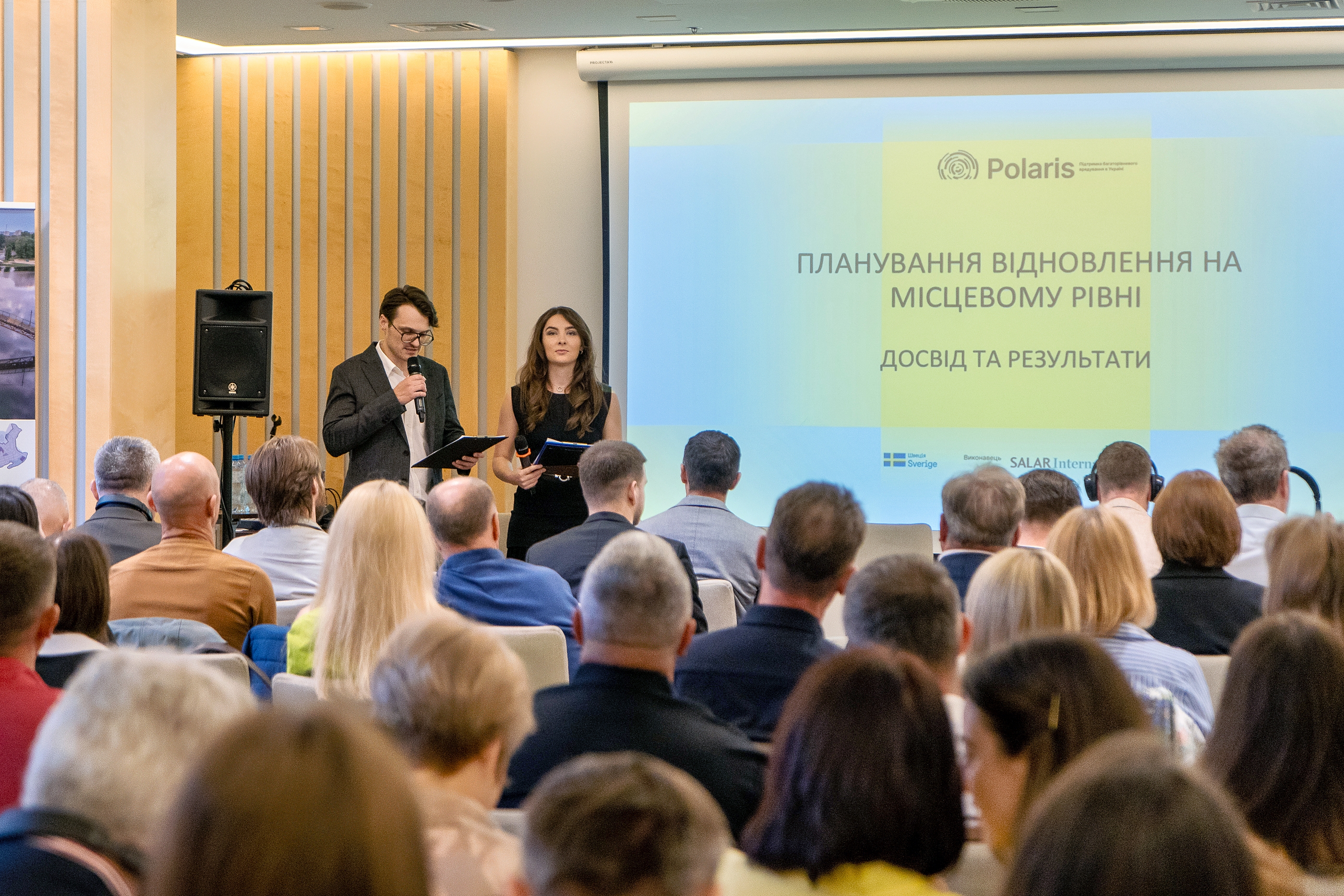
Opening the event Ryan Knox, Managing Director of SALAR International, thanked the partners for their openness to new approaches and their willingness to embrace change. He also highlighted the resilience of Ukrainian hromadas, which, despite the gruelling war, are able not only to respond effectively to challenges but also to plan for development strategically.
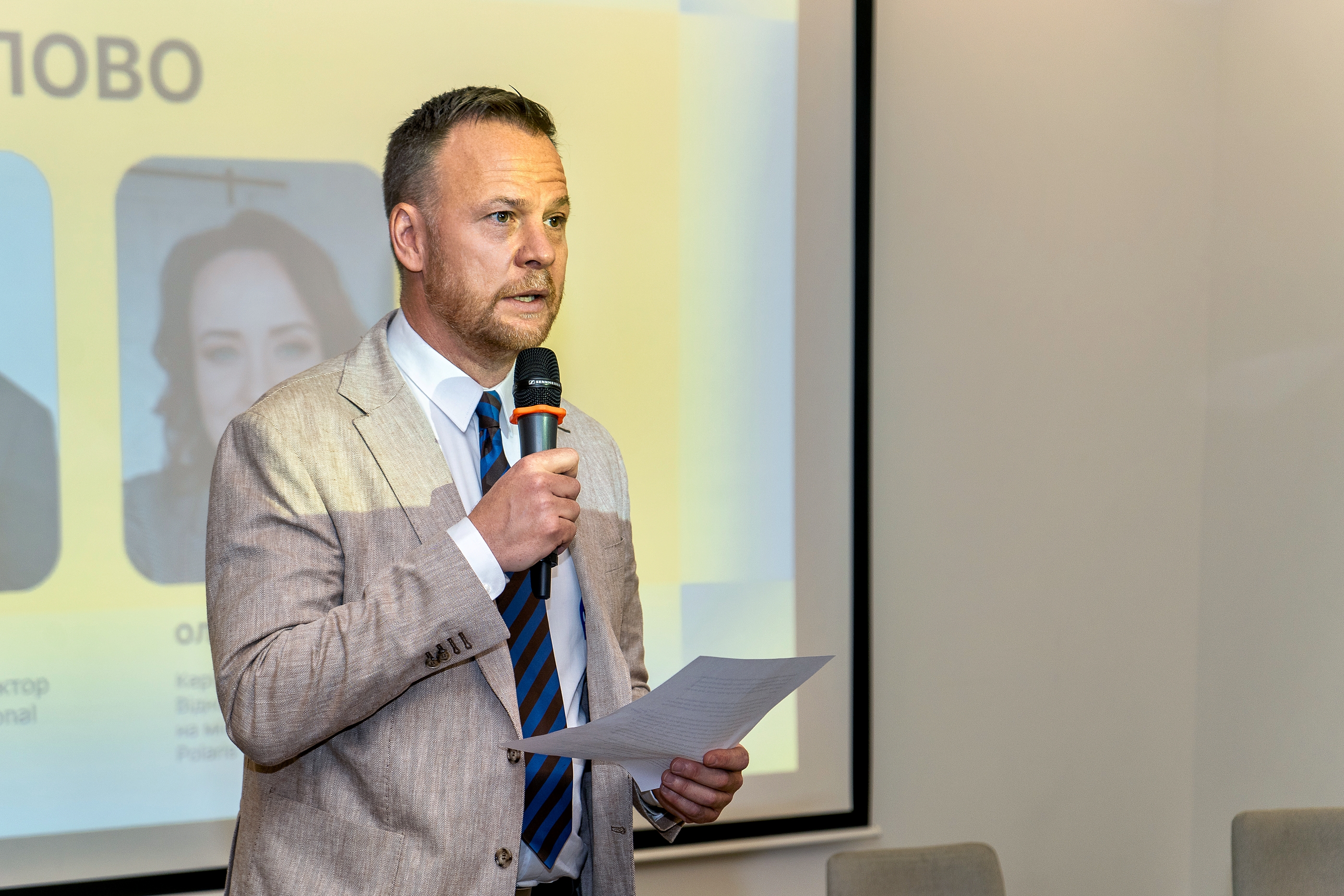
Olga Shubina, Team Lead for the ‘Locally-led Recovery’ component of the Polaris Programme, noted that the nearly year-long period of cooperation had been an intense, challenging, yet immensely valuable experience for all participants. According to her, the Polaris team wanted not only to support the preparation of planning documents for hromadas, but also to strengthen the capacity of local authorities to plan and implement the planning process at the local level.
“It was important to us that hromadas moved from piecemeal decisions to a more comprehensive approach to development policy – through strategies, planning decisions and implementation tools,” noted Olga Shubina.
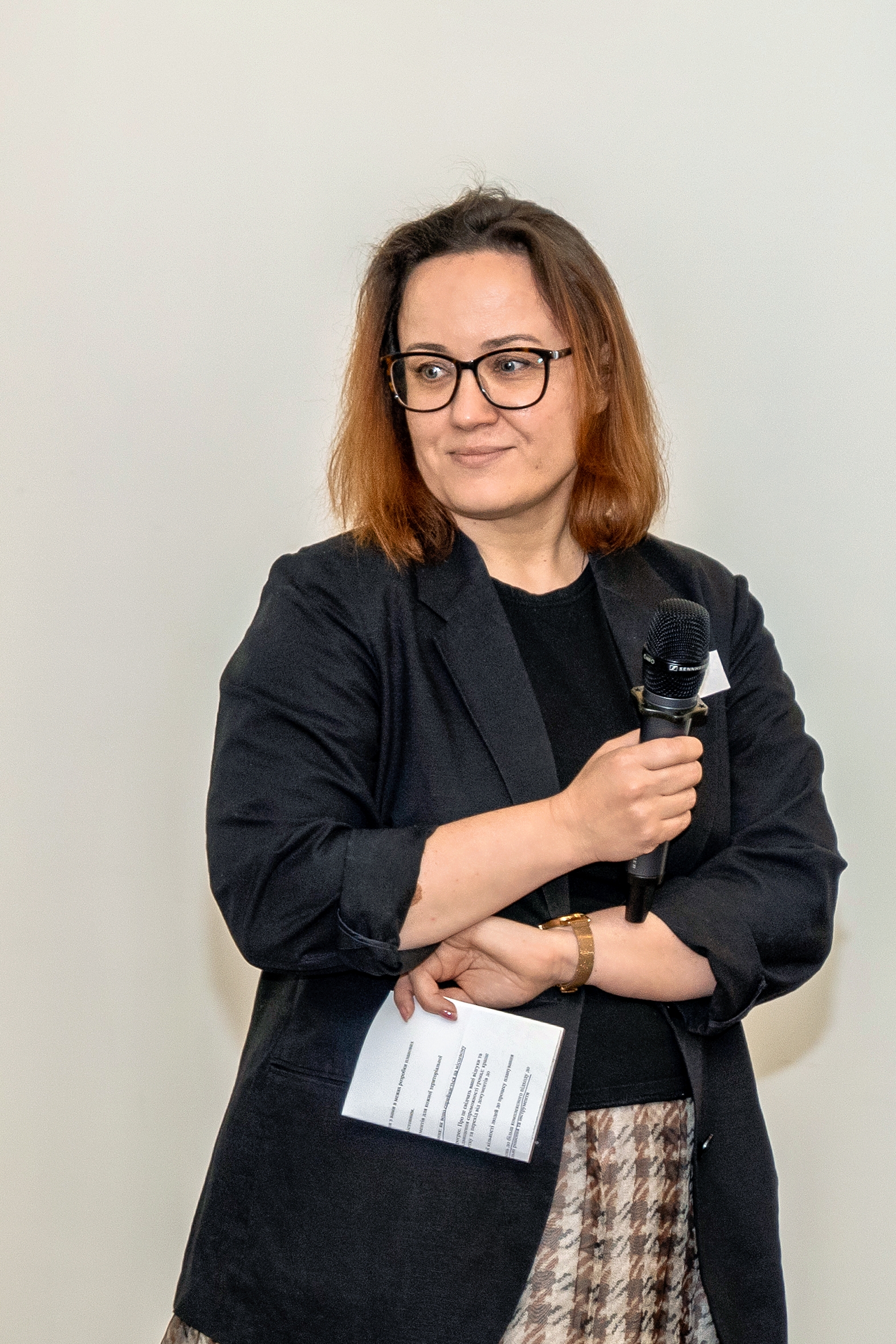
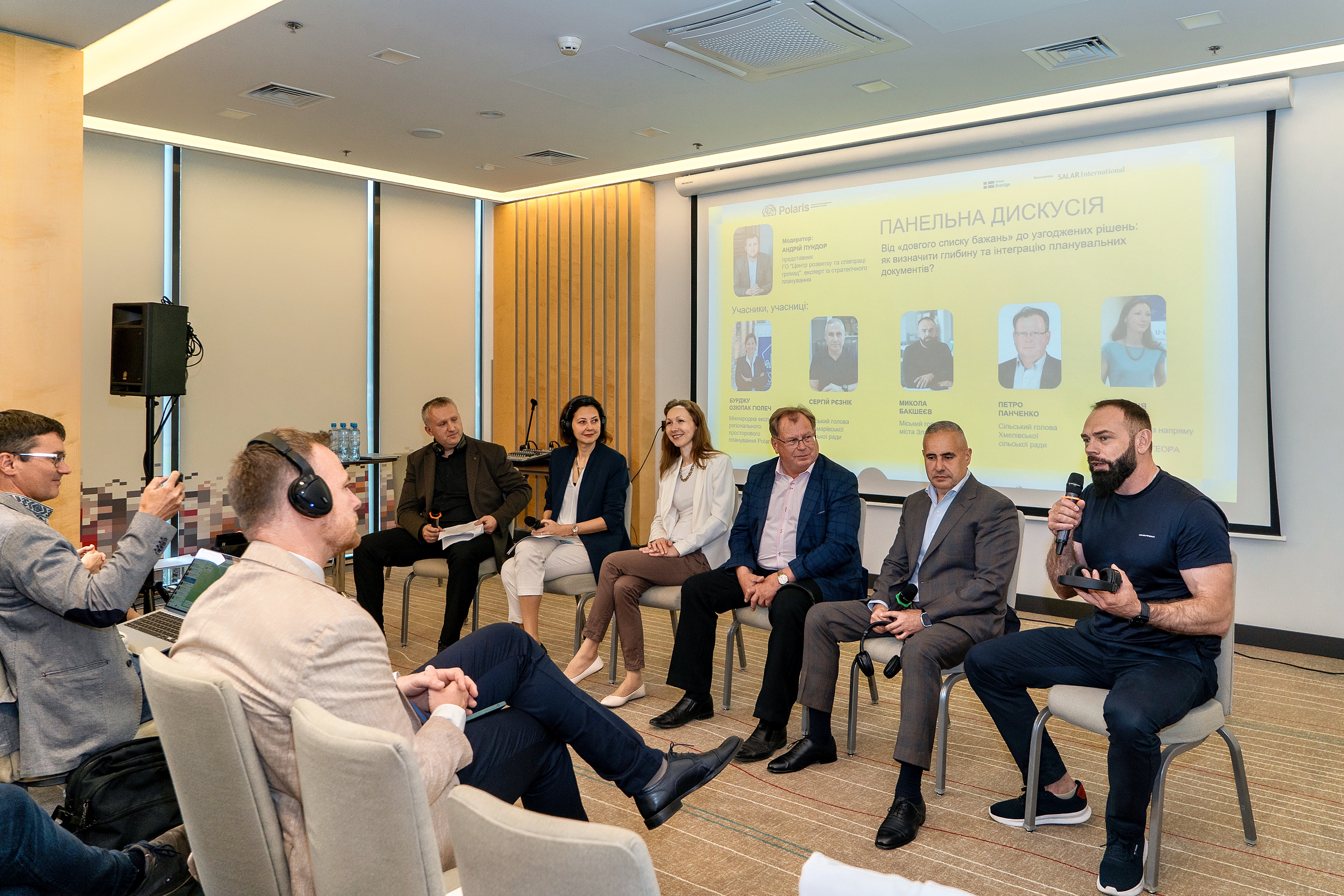
During the event, participants took part in a panel discussion and thematic round-table sessions. The central theme of the discussion was the dialogue ‘From a “long wish list” to coordinated decisions: how to determine the depth and integration of planning documents?’, dedicated to finding a balance between strategic and spatial planning, coordinating local and regional levels, and defining well-founded development priorities.
During the first session of round-table discussions, participants, together with international and Ukrainian experts, discussed:
- the use of GIS and data management in hromadas;
- data collection in the face of data scarcity;
- engaging the public in the planning process;
- partnerships between hromadas, expert organisations and Polaris Progranne during the preparation of planning documents.
Polaris international expert Synne Bergby noted: Hromadas resilience is built when decisions are not only made quickly, but are also based on data, cooperation, and a long-term perspective.
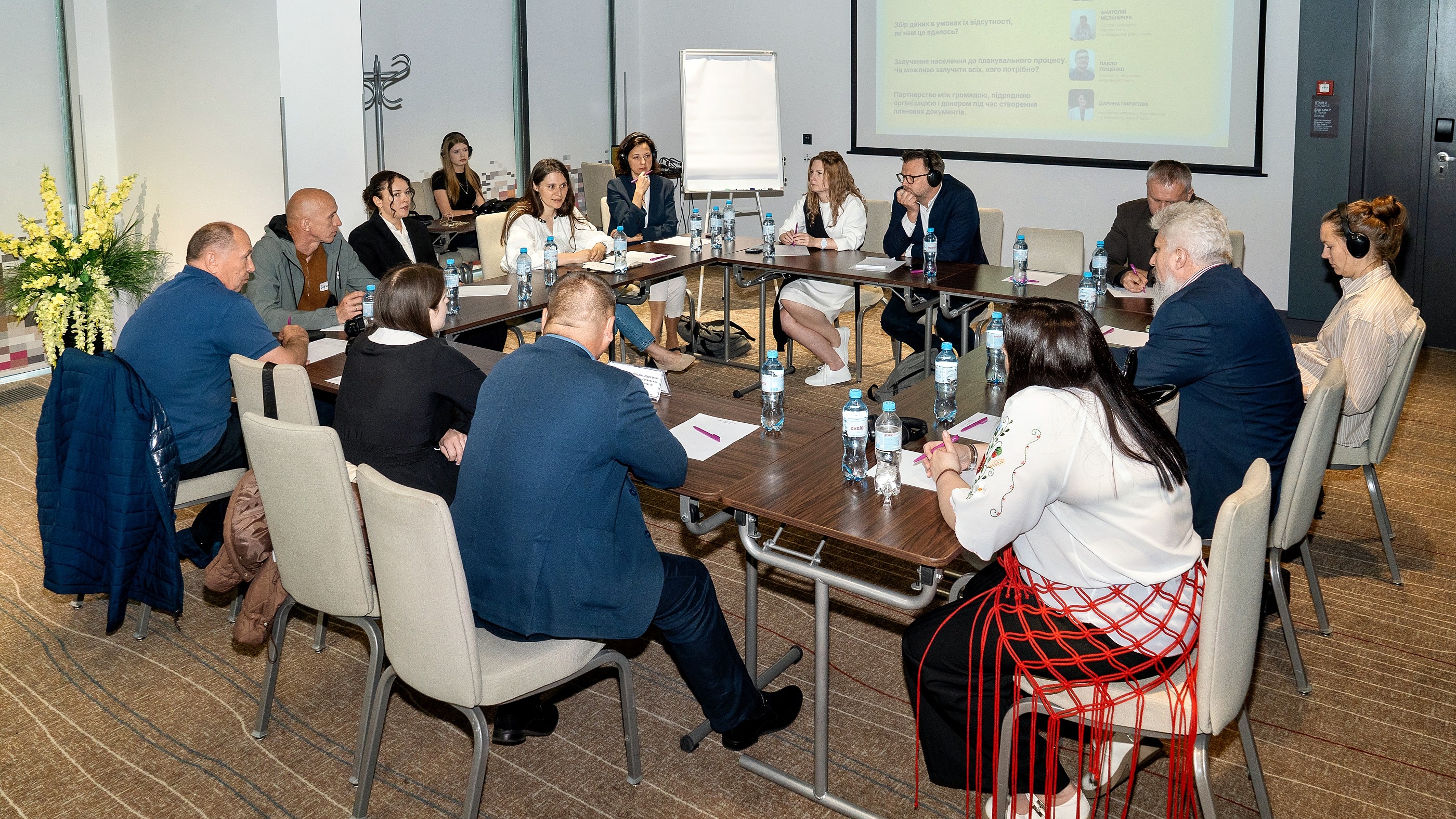
In the second session of round-table discussions, participants focused on demographic forecasting, human capital development, the planning of administrative services, and medium-term planning as a tool for linking policy documents with future projects.
Polaris expert Anatolii Melnychuk noted: “Recovery planning must address both current needs and the hromada’s future. It is precisely integrated approaches that enable the creation of solutions that remain relevant for years to come.”
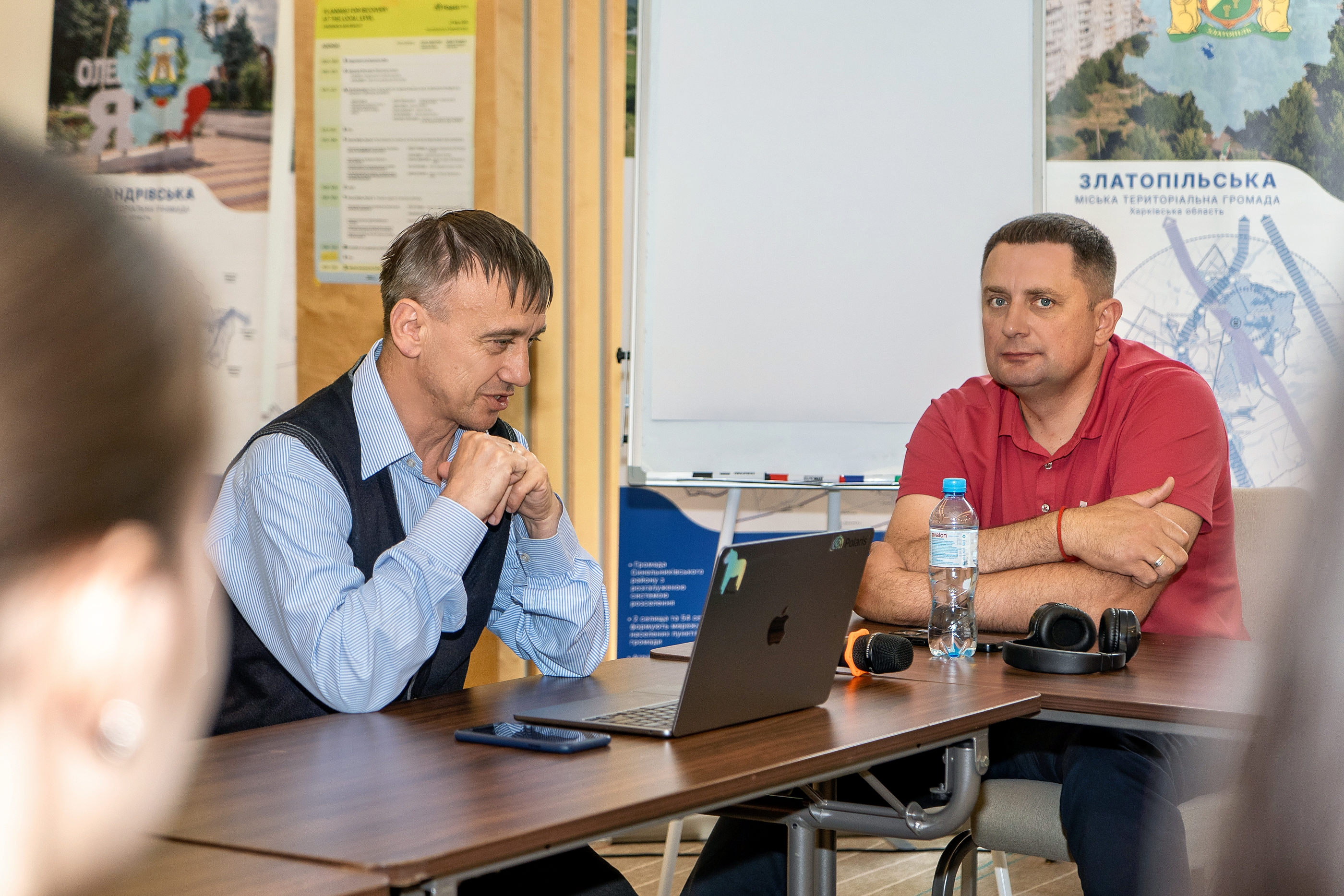
During the interactive session, participants also evaluated their cooperation with the Polaris Programme and formed recommendations for the next phase of work – ranging from training and advisory support to public engagement and improving approaches to data management.
Hromadas representatives also shared their experiences of the cooperation. In particular, Serhii Reznik, Head of the Samar Hromada, noted: “For us, this cooperation has provided an opportunity to view the hromada’s development systematically – not through individual projects, but through the logic of long-term solutions.” And Petro Panchenko, Head of the Khmeliv village council, added: “Together with experts from the Polaris Programme, we have developed a Hromada Development Strategy and an Action Plan for 2026–2027 – documents that are of practical importance for the hromada. It is important to us that this is not a formality or a document ‘for the shelf’, but a real tool that will help us plan development and implement concrete changes.”
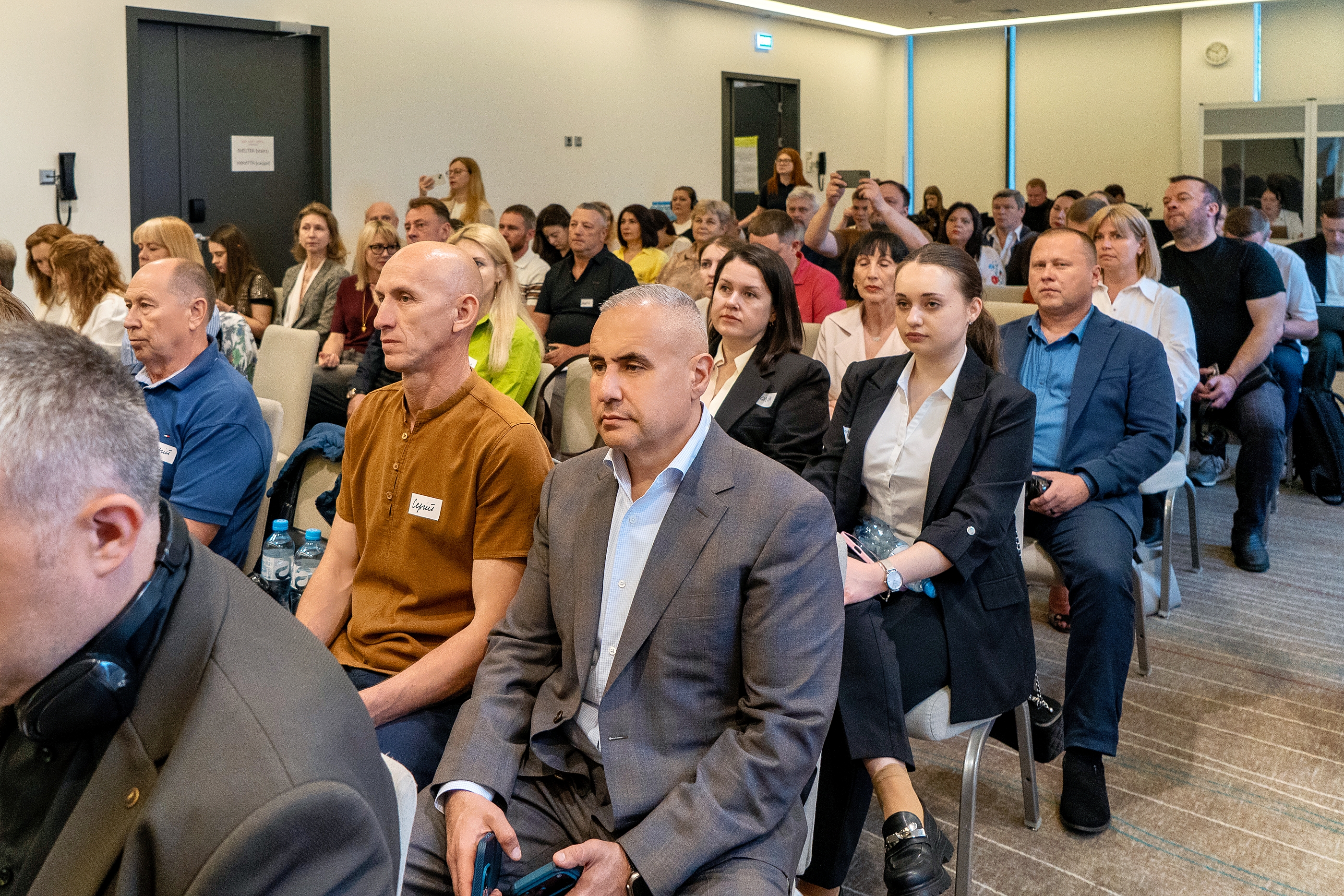
During two years of joint work with partner hromadas, Polaris expertise has been directly integrated into their work through practical support across various areas of the Programme’s activities: gender equality, human rights, local engagement, integrating veterans’ perspectives into municipal work, education at the local and regional levels, fiscal decentralisation, strengthening the starosta institution, support for accessibility of administrative services, etc. — both at local and national level.