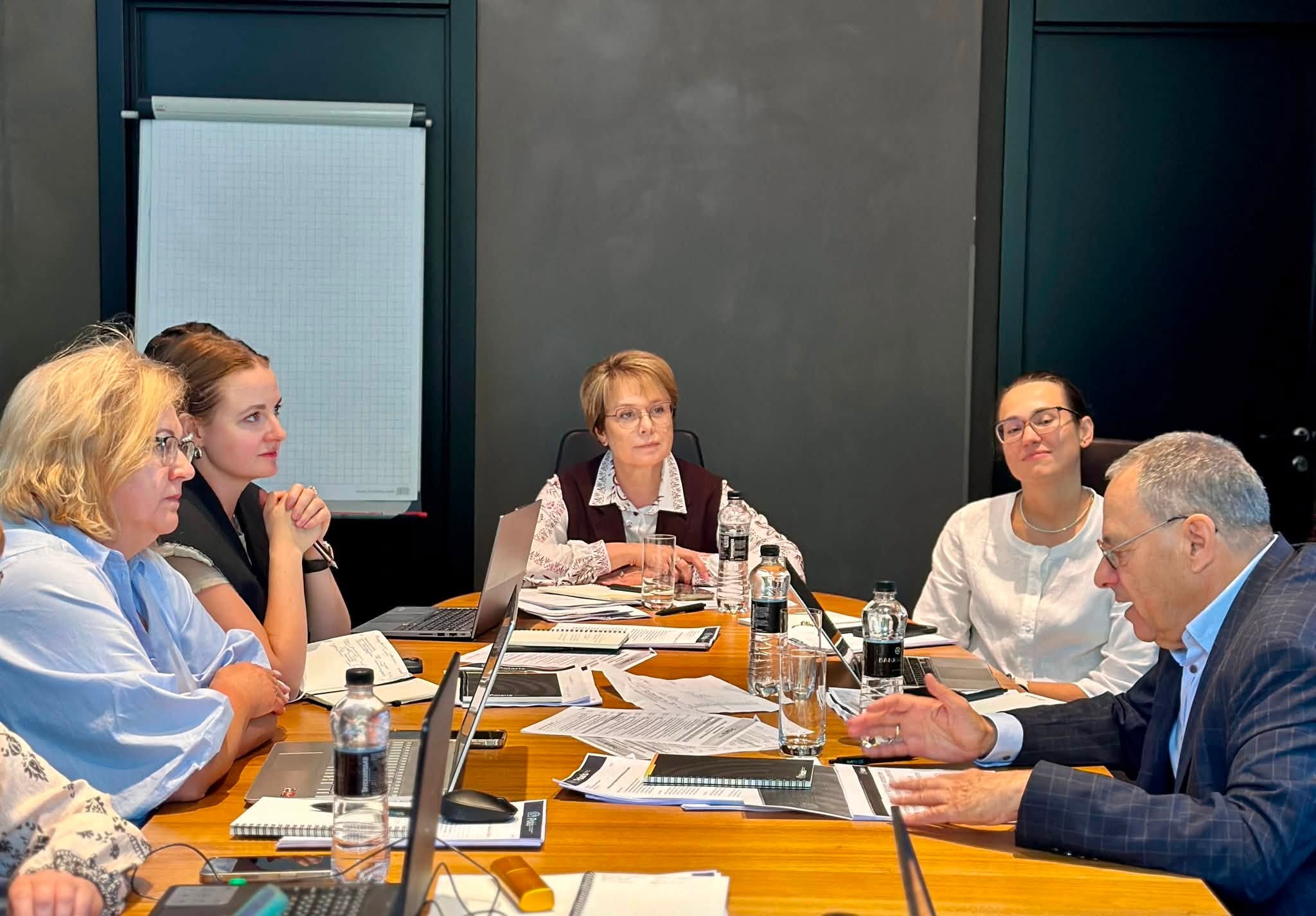
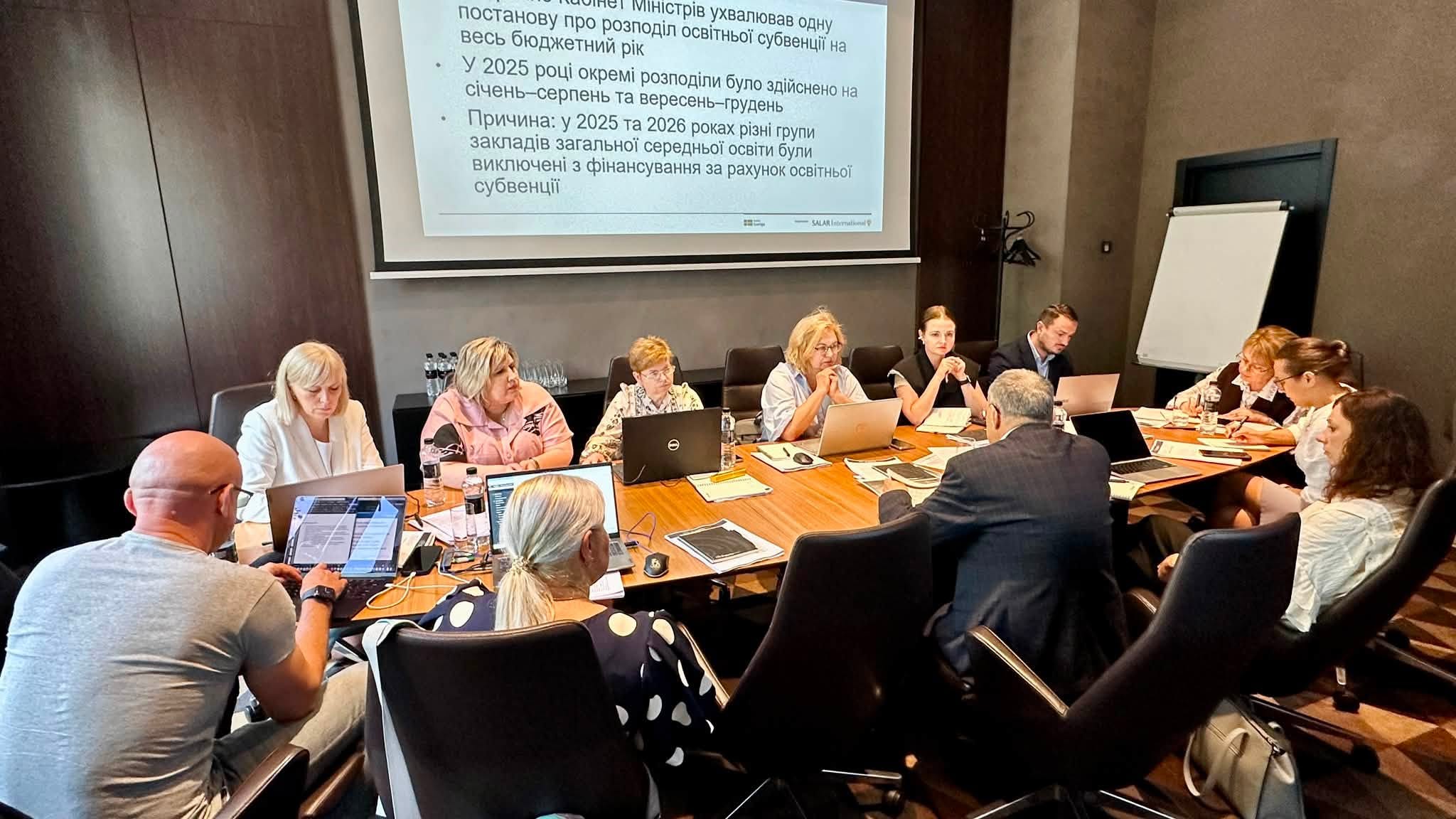
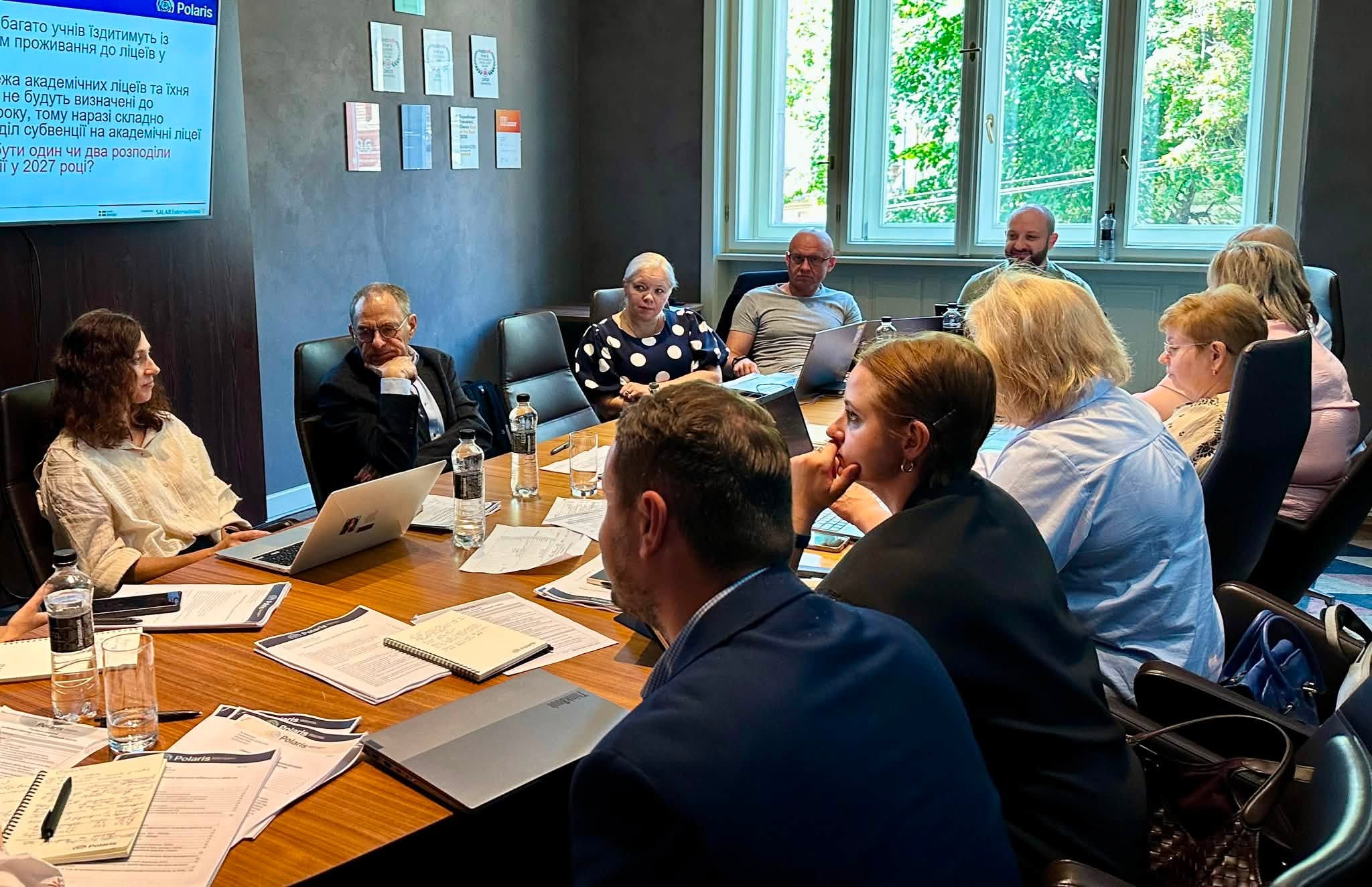
At the end of August, the Polaris Programme held a two-day workshop in Lviv on education financing, bringing together representatives of the Ministry of Education and Science of Ukraine, the Ministry of Finance of Ukraine, the State Service of Education Quality of Ukraine, and the State Institute of Educational Analytics.
The workshop focused on approaches to education financing and the allocation of the education subvention from the state budget to local budgets in 2027.
Participants discussed budget allocations for education, key issues related to the allocation of the education subvention, and worked with a simulator - a calculation tool that makes it possible to model the allocation of the subvention and analyse the impact of different parameters. This helps assess the potential implications of decisions while they are still being developed and take into account differences between hromadas and the specific features of their education networks.
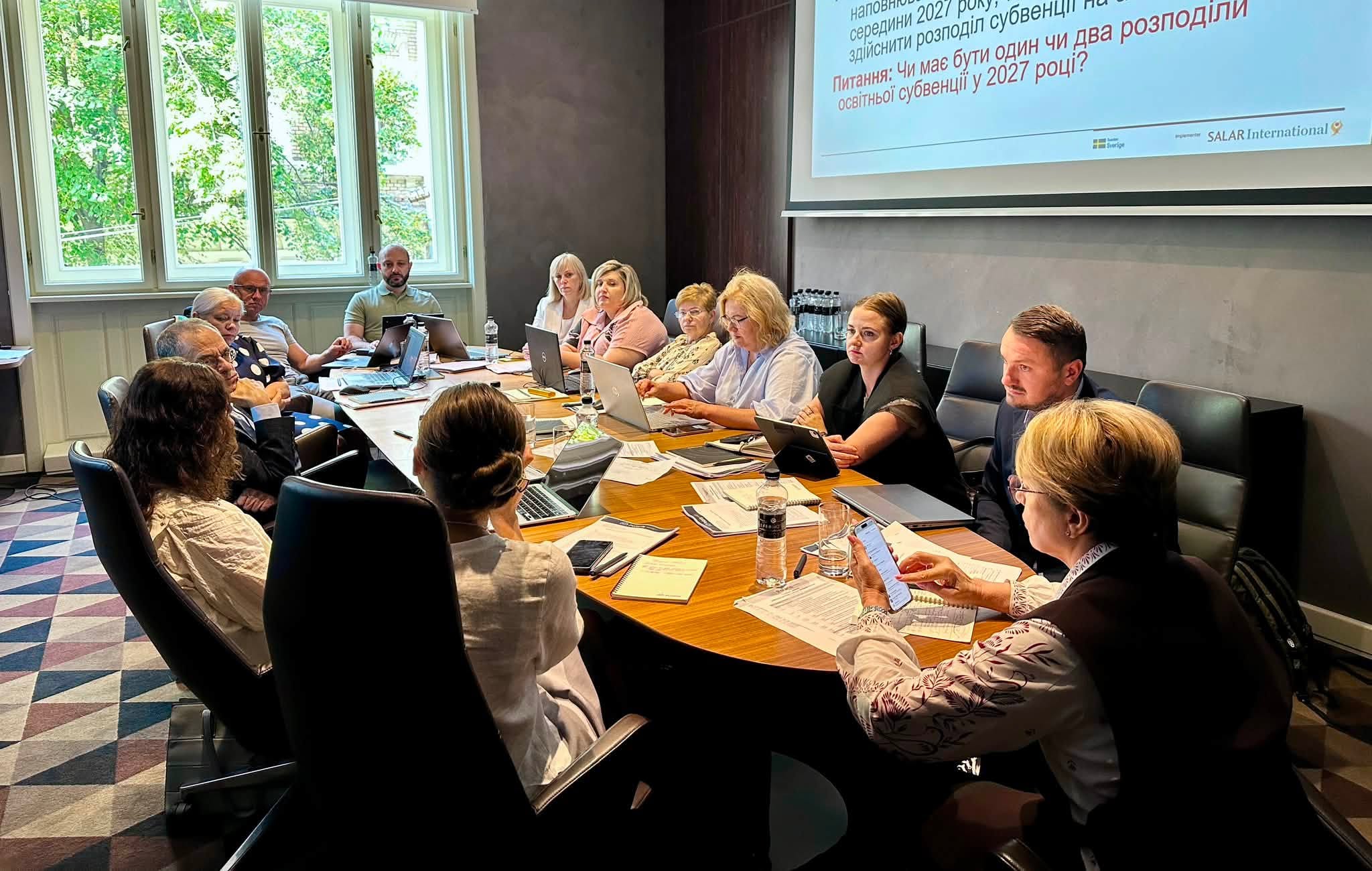
Alexander Mazurkin, Programme Manager of the Polaris Programme, SALAR International, welcomed the workshop participants and noted: "Over the past years, SALAR International has expanded its support to Ukraine’s education sector through the Polaris Programme and in response to the impact of the full-scale invasion. We are committed to continuing this support and contributing to processes that strengthen the education system. Through Polaris, we also support areas where national policy, financing and the practical experience of hromadas can be brought into closer alignment".
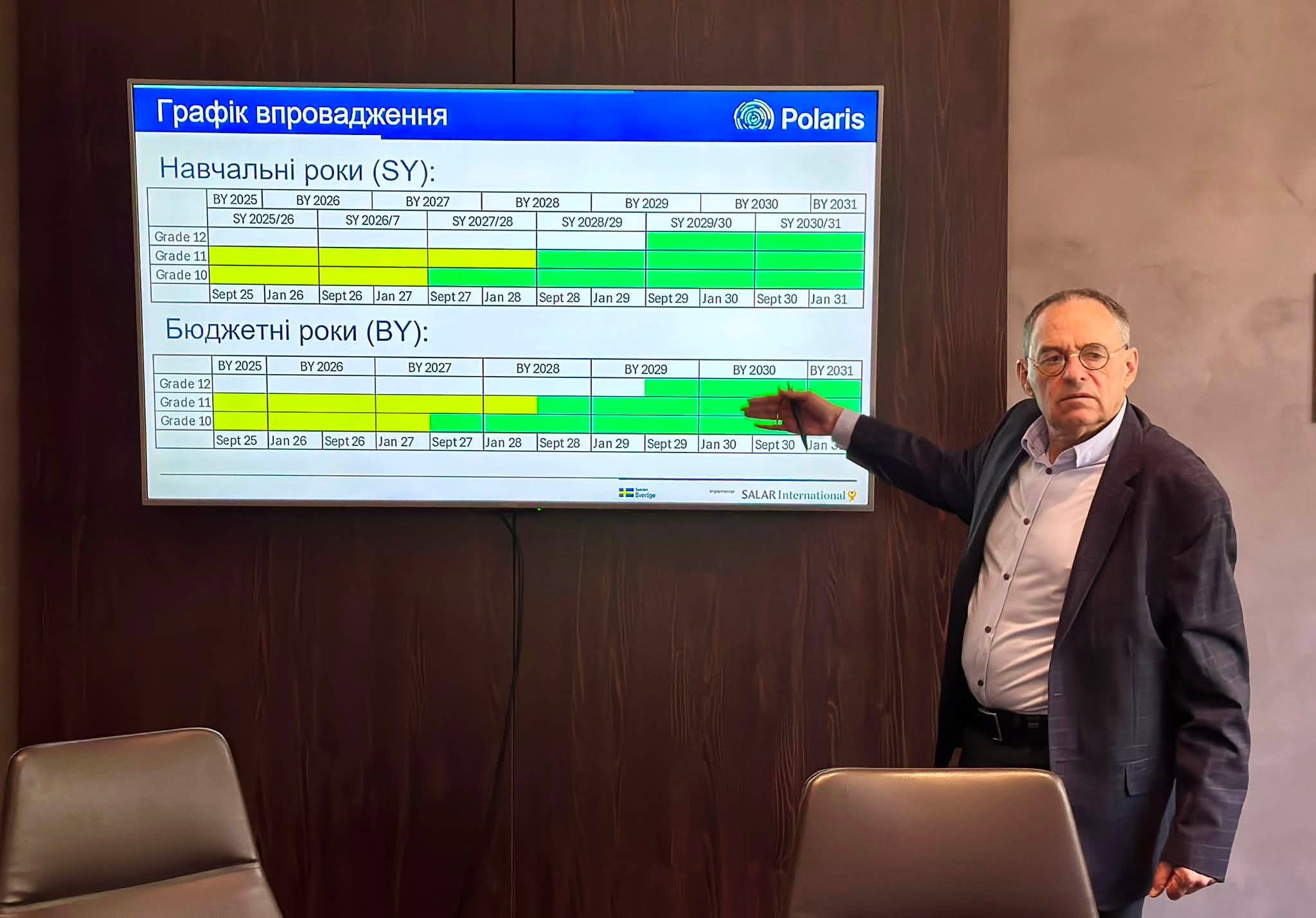
The workshop also addressed the reform of upper secondary education. Participants reviewed the key principles for introducing academic lyceums and general approaches to their financing. They also discussed new data in the Automated Information Complex of Educational Management (AICEM) and teacher remuneration from September 2026.
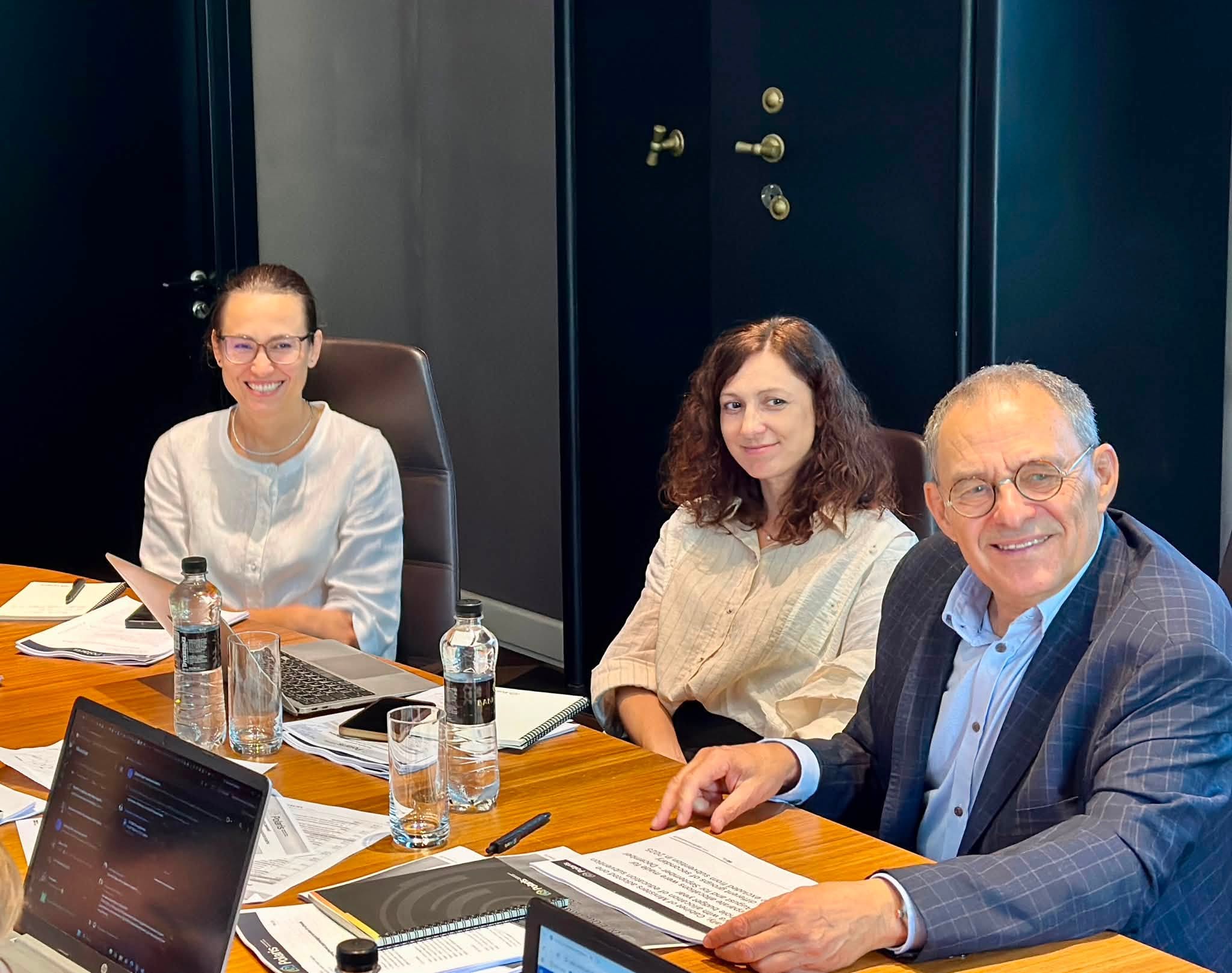
“Our task is to ensure that the school education financing mechanism reflects how the system actually operates and evolves. Behind every parameter in the formula are specific schools, teachers and children, so any decision concerning the education subvention requires careful modelling of its potential implications. It is particularly important now to establish approaches for 2027 that will enable the state to use available resources effectively, while providing hromadas with clear and predictable conditions for planning their education networks,” noted Anastasiia Sofiienko, Deputy Minister of Education and Science of Ukraine.
School education financing and the allocation of the education subvention are among the key areas of ongoing cooperation between the Polaris Programme and the Ministry of Education and Science of Ukraine. This work includes the preparation of analytical materials and proposals on financing mechanisms, support for information briefs with calculations for hromadas, and the development of tools for working with education data, including the Education Indicators Dashboard.